Metered TURN Server Powerful API Ultra-low latency with automatic geo routing Detailed Usage and Analytics
50 GB Free Every Month
Get WebRTC STUN/TURN Service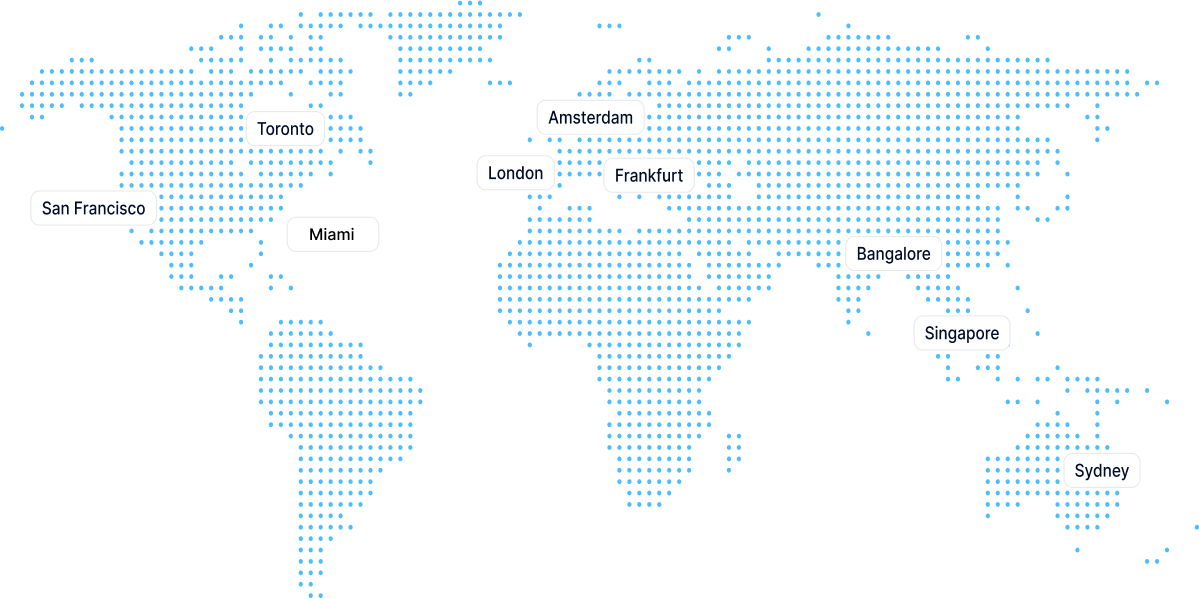
Knowing that other families, even fictional ones, struggle with similar issues makes us feel less alone.
Avoids conflict by becoming invisible, leading to profound isolation. 📑 Core Storyline Blueprints
When an estranged family member suddenly returns after years of absence, it disrupts the established status quo. The family must navigate feelings of abandonment, suspicion over the returnee's motives, and the painful process of reintegration. 3. Designing Complex Family Relationships madre hijo incesto mi hermana mayor manga incesto rar link
The antagonist must believe they are protecting the family. A controlling mother should act out of a distorted desire to keep her children safe from the mistakes she made.
Boundaries are blurred, and individual identities are subsumed by the collective. A parent might view their child as an extension of themselves, leading to suffocating control and a lack of privacy. Knowing that other families, even fictional ones, struggle
Key Conflict: Siblings weaponize childhood grievances during asset distribution. The Return of the Prodigal Outcast
The retreat was being held at the family's summer home, a sprawling estate on the coast. Elizabeth had planned a lavish dinner party to celebrate the family's achievements, but things quickly took a turn. Olivia and Ethan got into a heated argument, with Olivia accusing Ethan of being a failure and Ethan lashing out at Olivia for being a sellout. The family must navigate feelings of abandonment, suspicion
At the heart of every great family saga lies a web of . These aren't just simple disagreements over who forgot to take out the trash; they are built on decades of history, unspoken expectations, and the heavy weight of legacy. Complexity often stems from three main pillars:
Families forced together by external crises, such as poverty or illness, must navigate their internal conflicts while fighting to stay afloat.
A protagonist realizes the toxic nature of their family and attempts to establish boundaries or go completely "no contact."
Knowing that other families, even fictional ones, struggle with similar issues makes us feel less alone.
Avoids conflict by becoming invisible, leading to profound isolation. 📑 Core Storyline Blueprints
When an estranged family member suddenly returns after years of absence, it disrupts the established status quo. The family must navigate feelings of abandonment, suspicion over the returnee's motives, and the painful process of reintegration. 3. Designing Complex Family Relationships
The antagonist must believe they are protecting the family. A controlling mother should act out of a distorted desire to keep her children safe from the mistakes she made.
Boundaries are blurred, and individual identities are subsumed by the collective. A parent might view their child as an extension of themselves, leading to suffocating control and a lack of privacy.
Key Conflict: Siblings weaponize childhood grievances during asset distribution. The Return of the Prodigal Outcast
The retreat was being held at the family's summer home, a sprawling estate on the coast. Elizabeth had planned a lavish dinner party to celebrate the family's achievements, but things quickly took a turn. Olivia and Ethan got into a heated argument, with Olivia accusing Ethan of being a failure and Ethan lashing out at Olivia for being a sellout.
At the heart of every great family saga lies a web of . These aren't just simple disagreements over who forgot to take out the trash; they are built on decades of history, unspoken expectations, and the heavy weight of legacy. Complexity often stems from three main pillars:
Families forced together by external crises, such as poverty or illness, must navigate their internal conflicts while fighting to stay afloat.
A protagonist realizes the toxic nature of their family and attempts to establish boundaries or go completely "no contact."
50 GB Free Every Month
Get WebRTC STUN/TURN Service