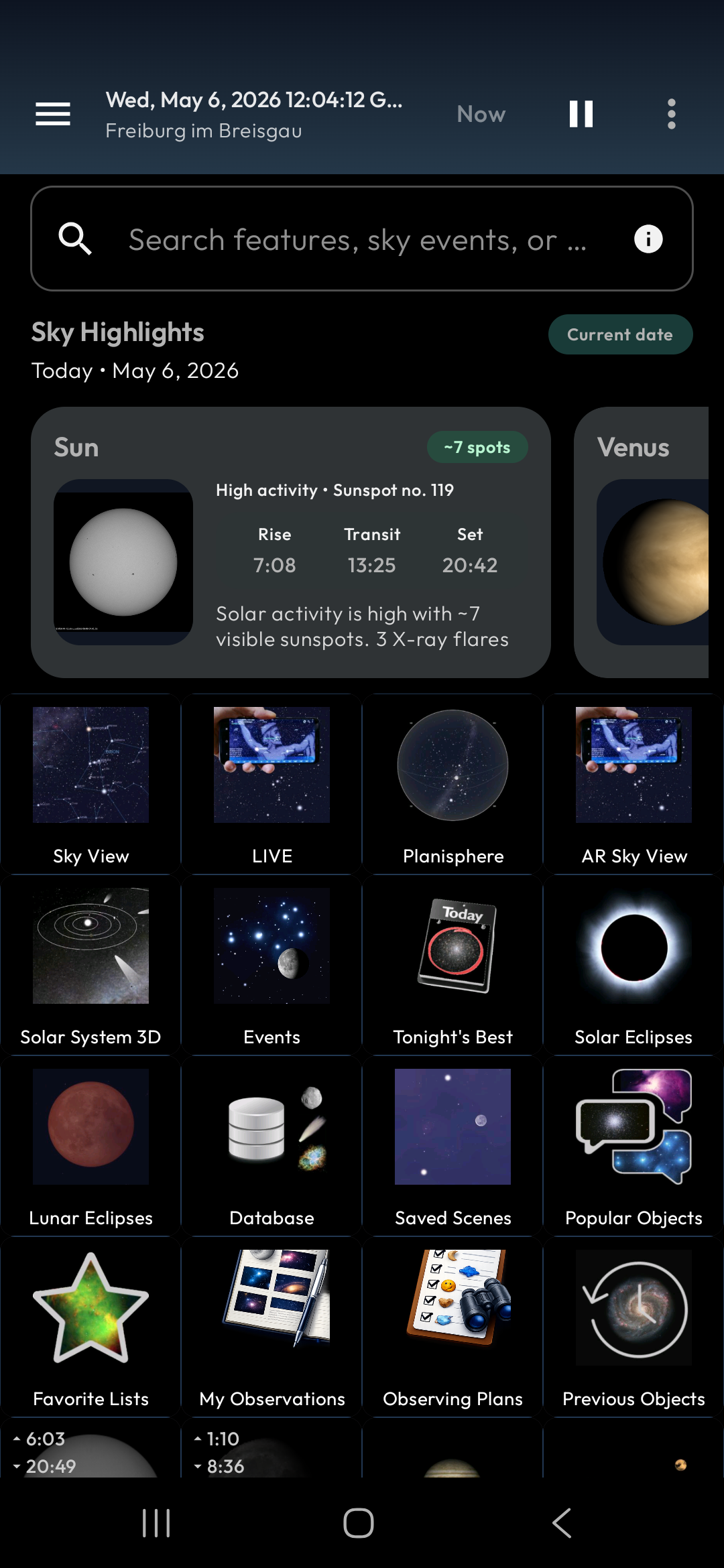
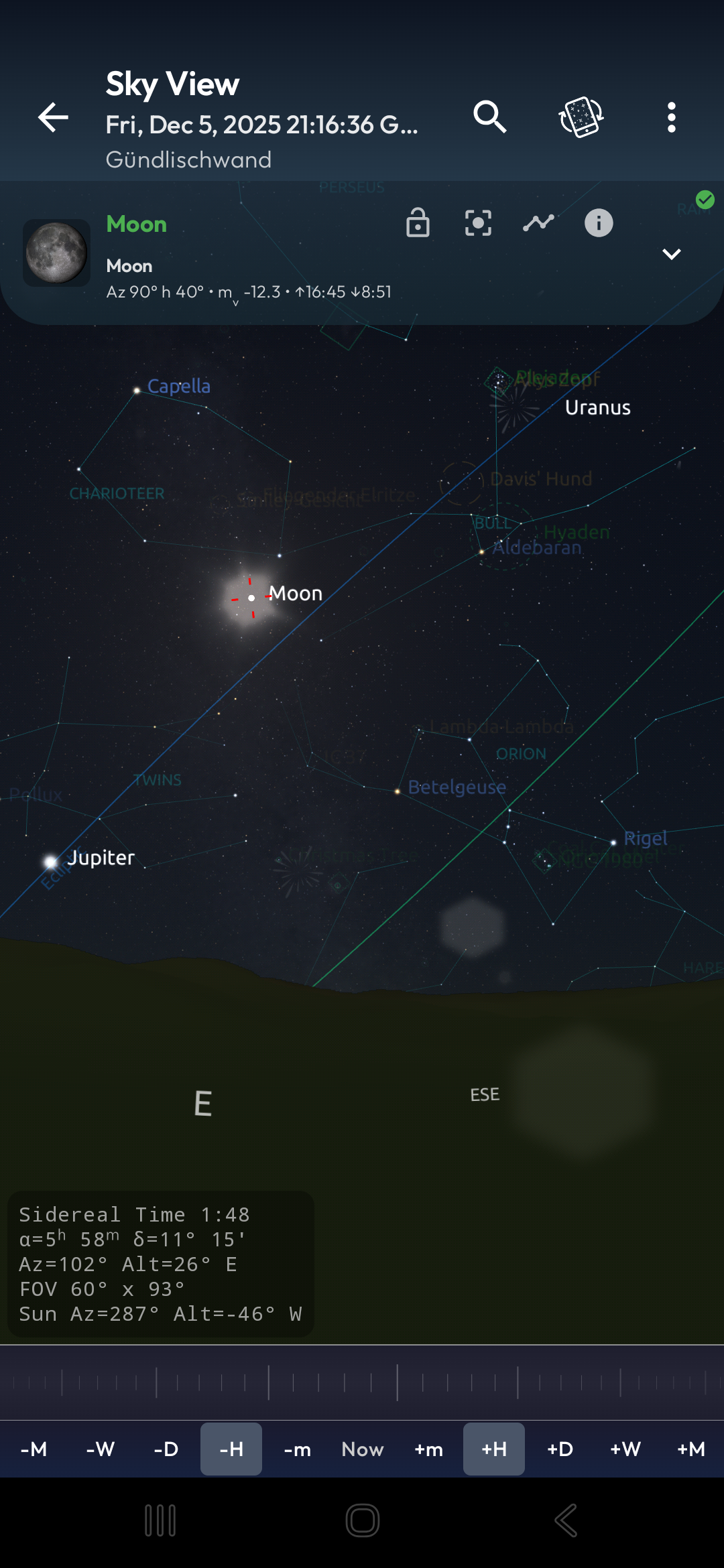
Your Android observatory with real-time sky view, AR, telescope control, and the only astronomy app that computes your local horizon from topographic data.
Recommended for new users. Start with the freemium app and unlock premium later with a subscription or one-time purchase.
Prefer paying once up front? Get Mobile Observatory Pro on Google Play. The same lifetime premium access is also available later inside Mobile Observatory.
Everything you need for astronomy, in your pocket
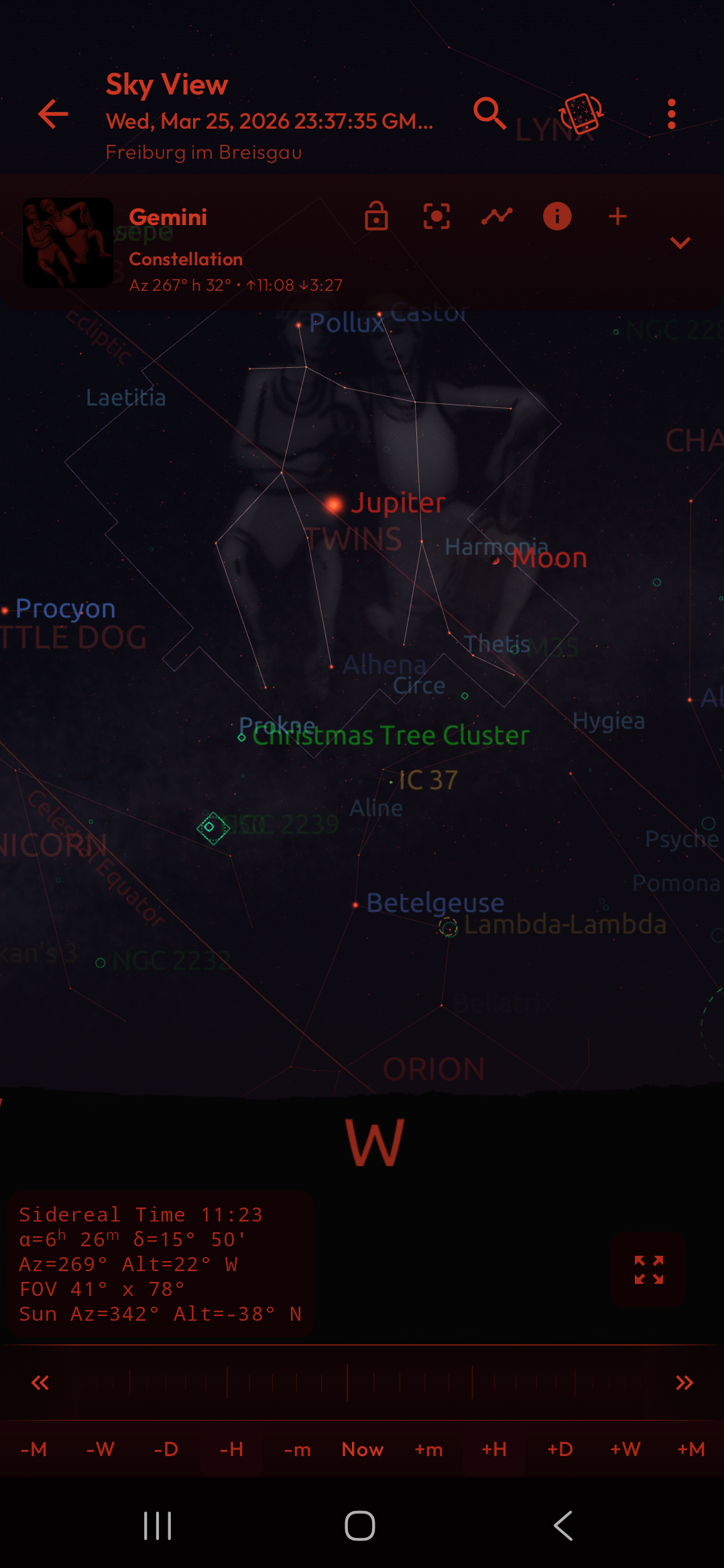
Point your phone and identify stars, planets, and constellations live
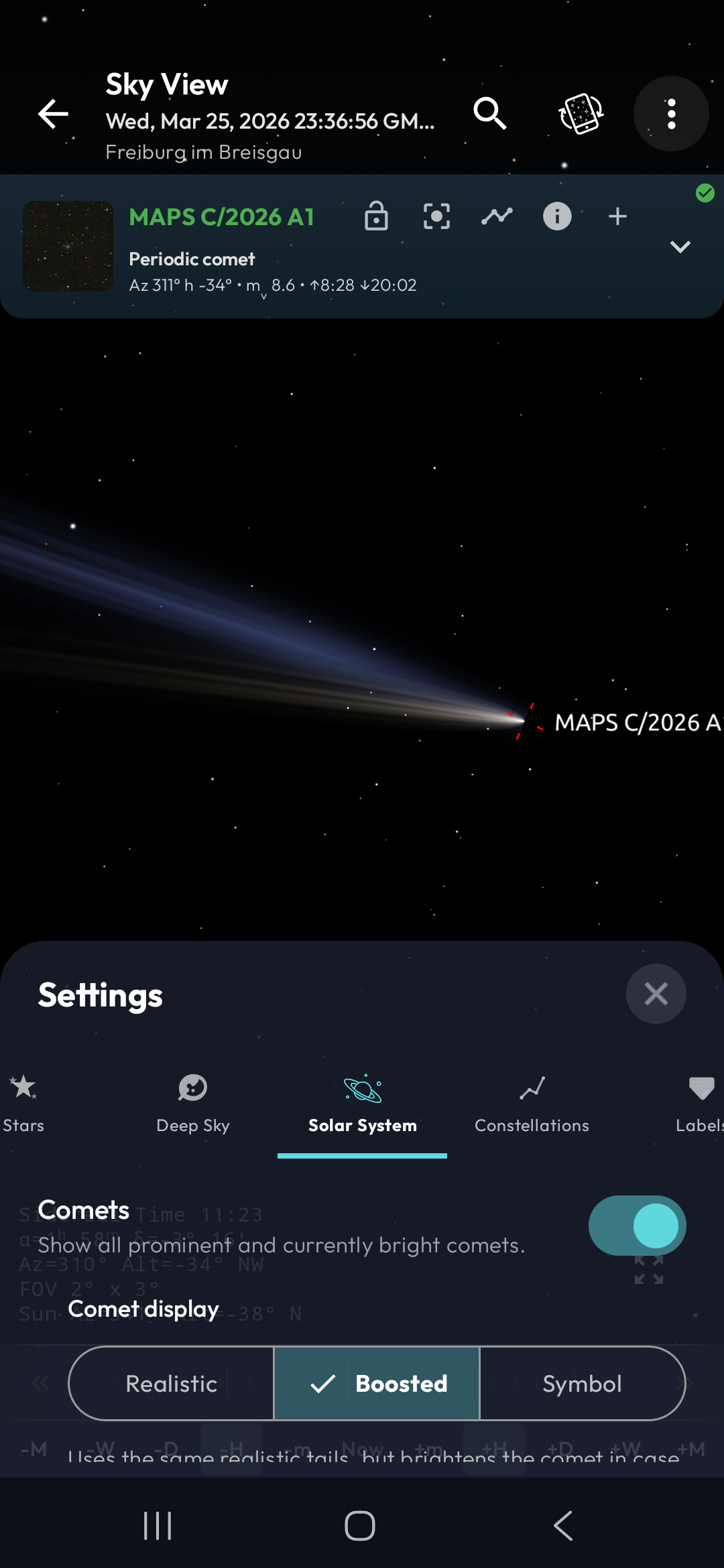
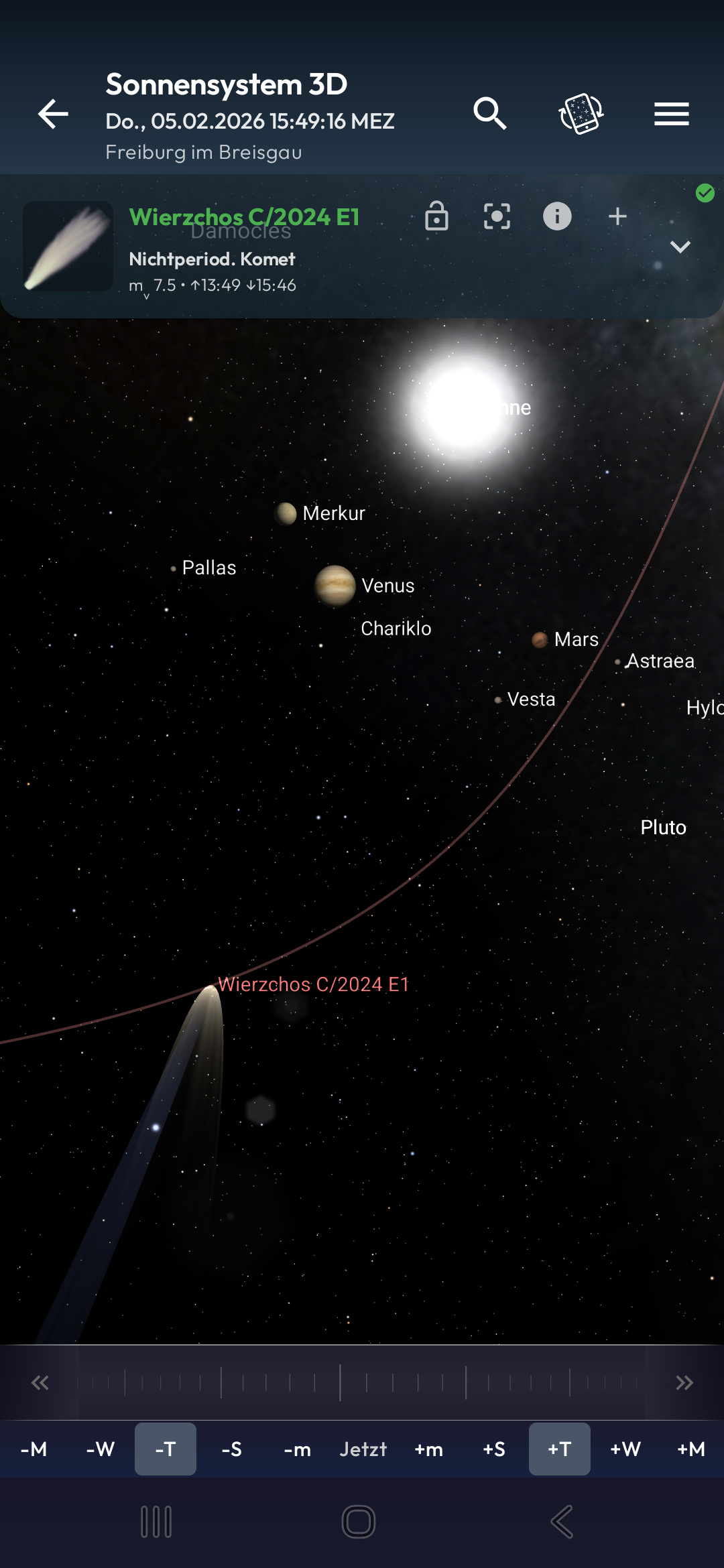
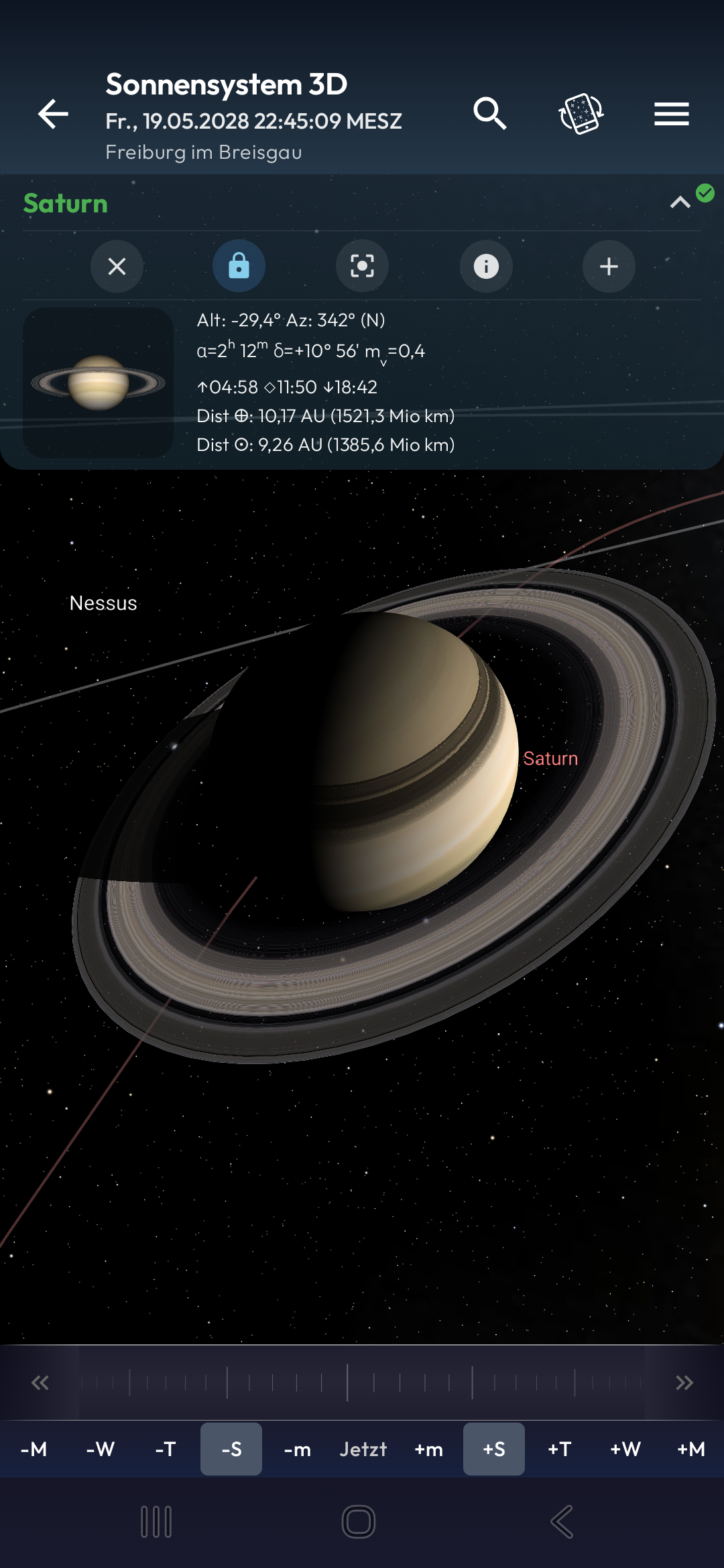
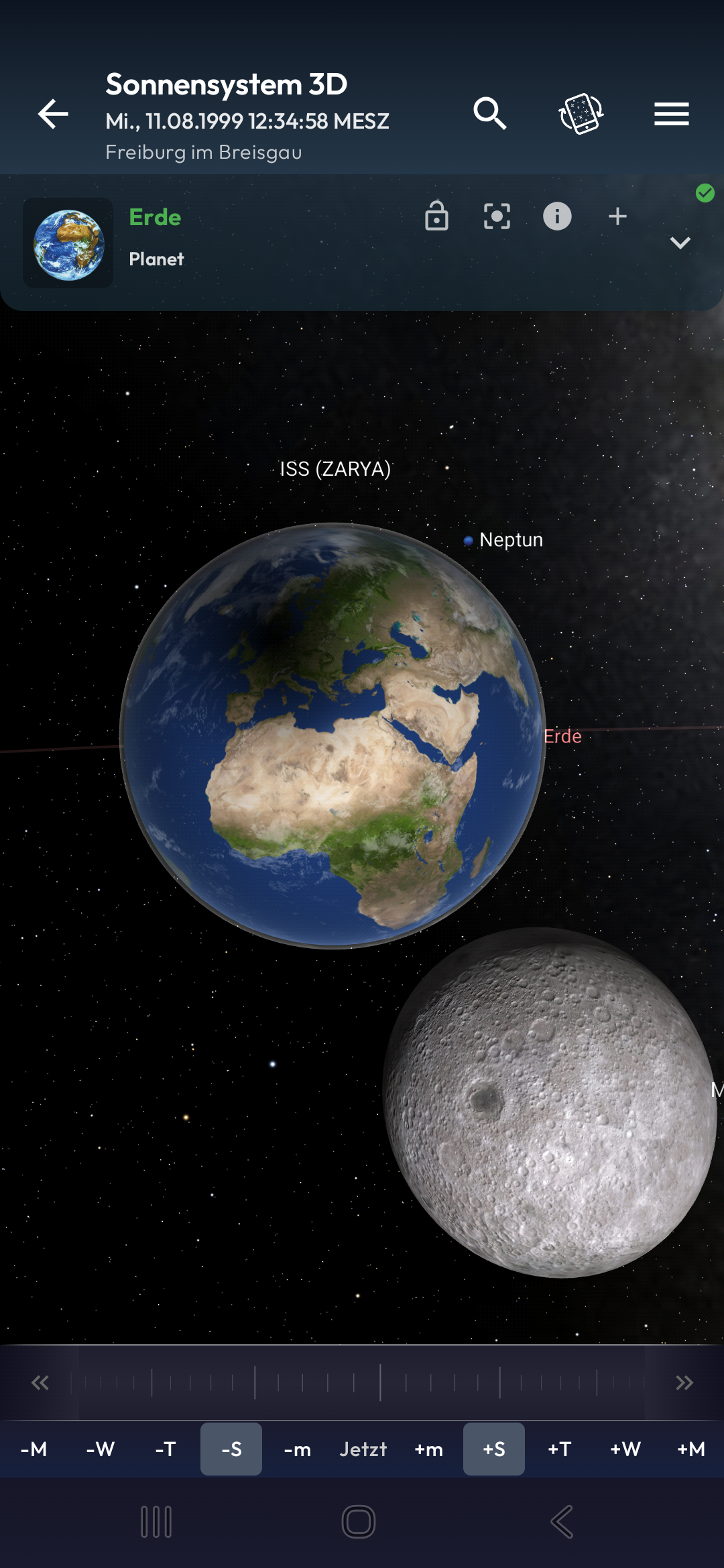
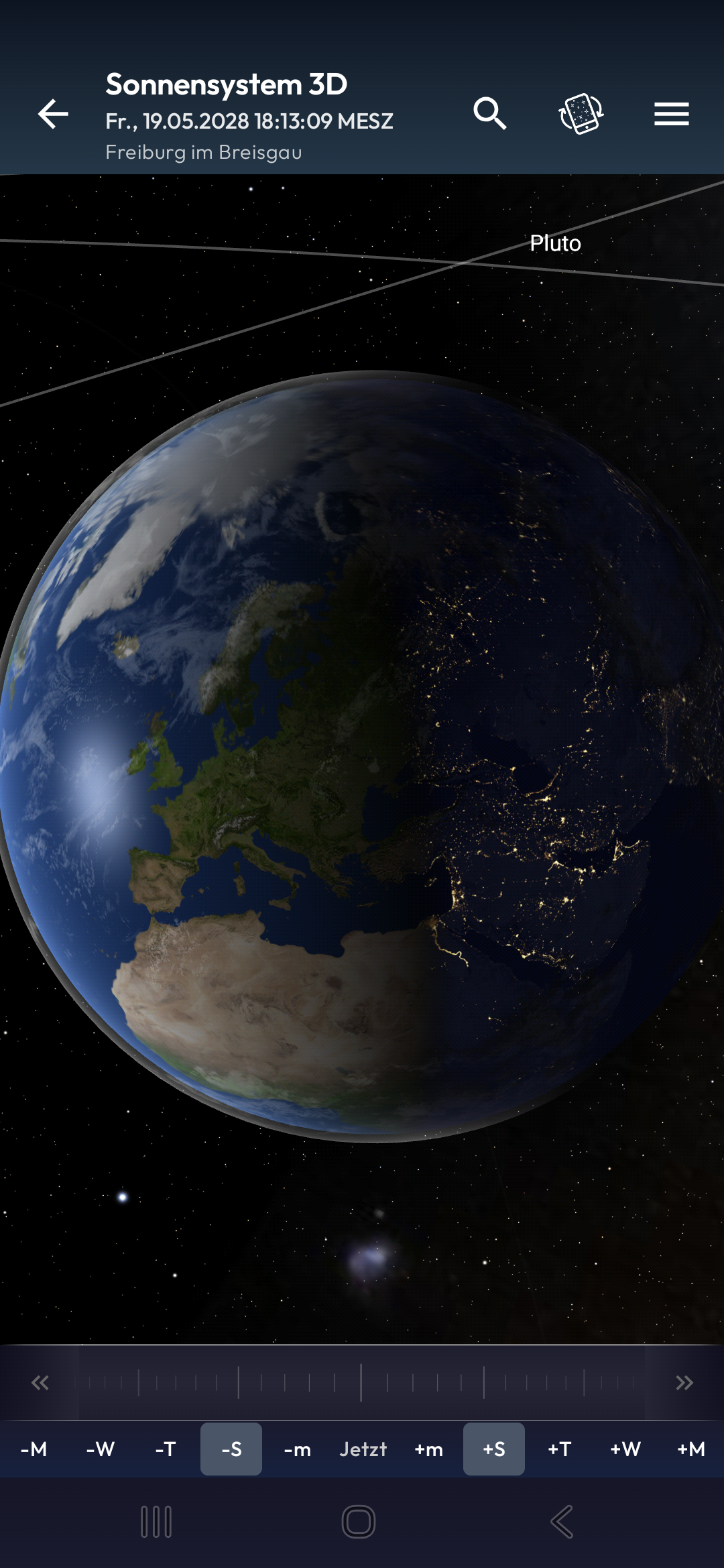
Explore planets, moons, and comets in an interactive orrery
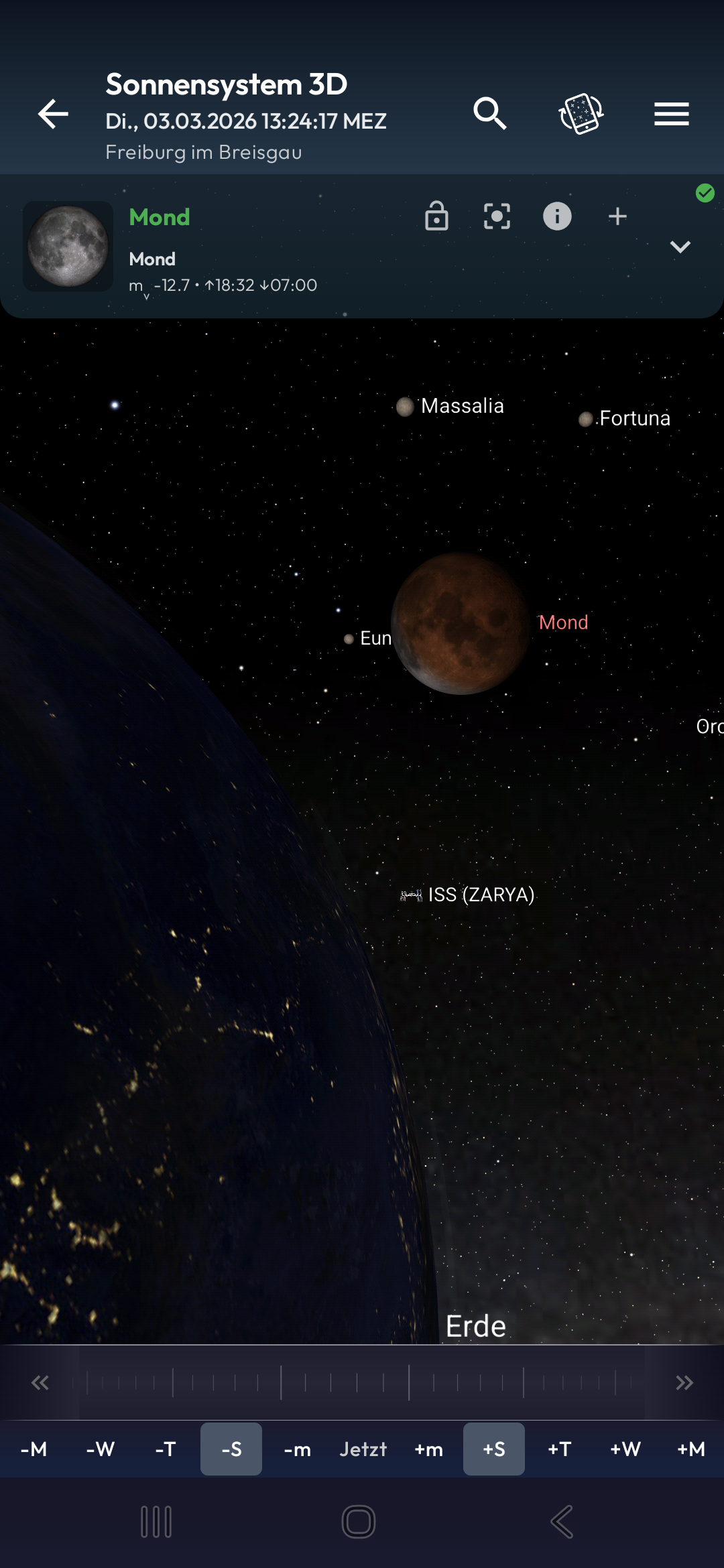
ISS passes, Starlink trains, and 10,000+ satellites in real-time
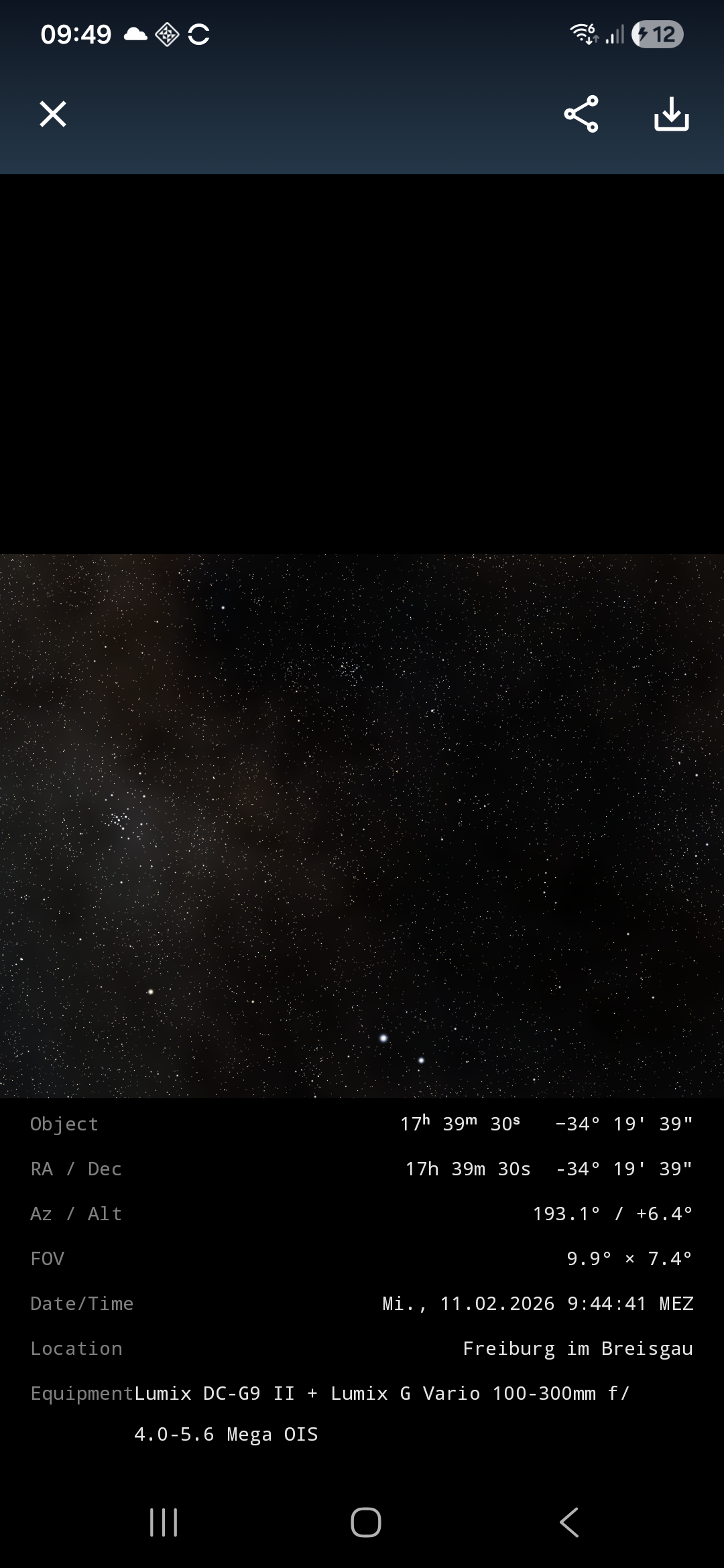
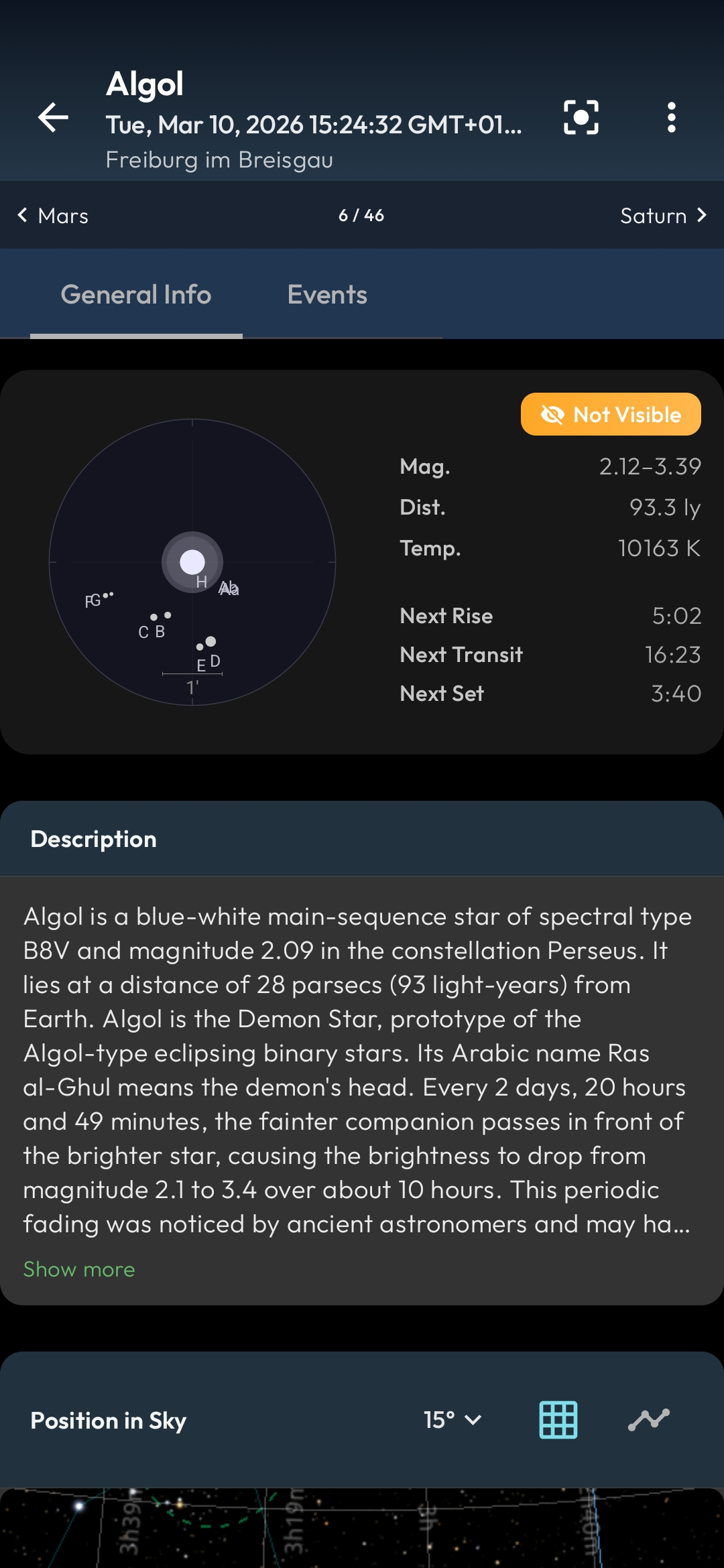
2,500+ nebulae, galaxies, and star clusters with photos and details
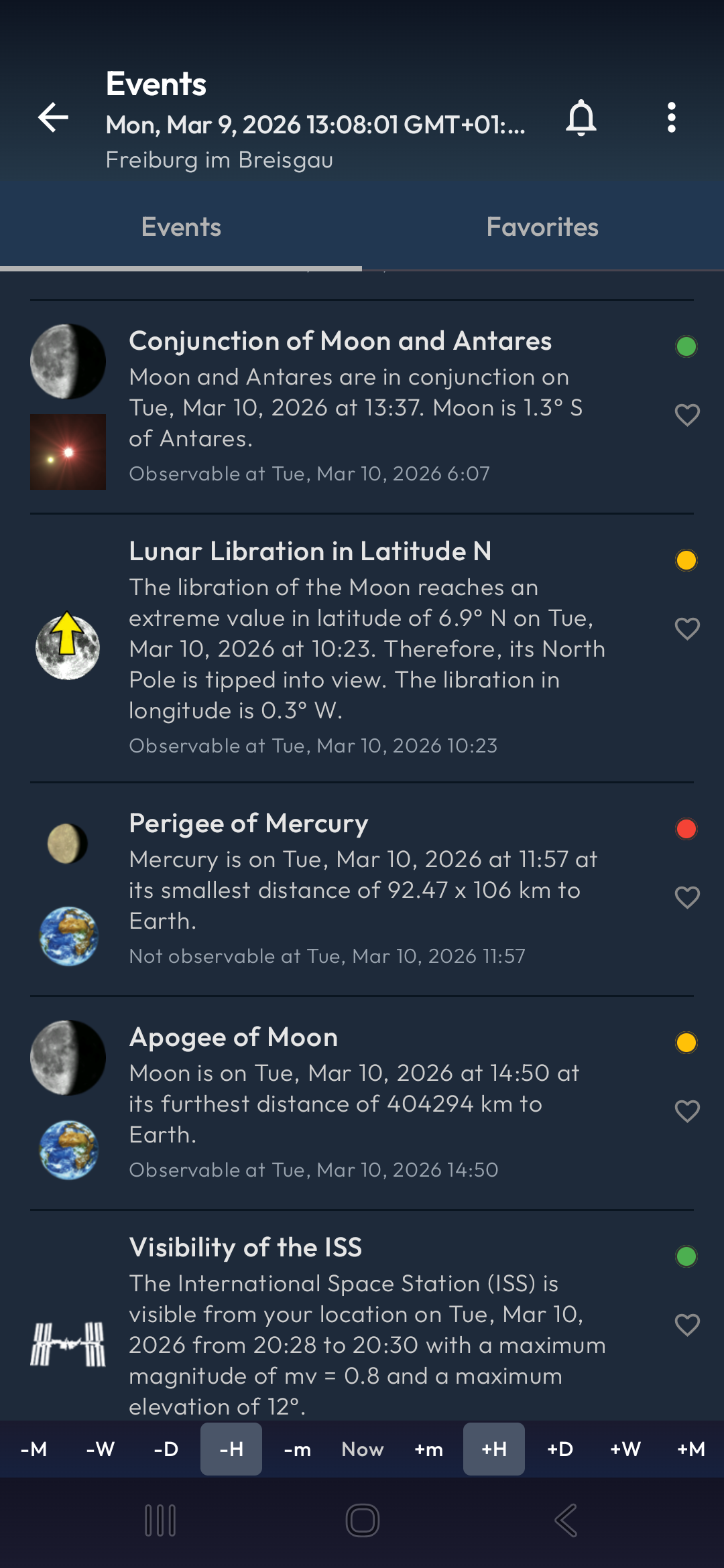
50+ event types including eclipses, conjunctions, occultations, transits, and more
Aurora alerts, solar flares, ISS passes, and event reminders
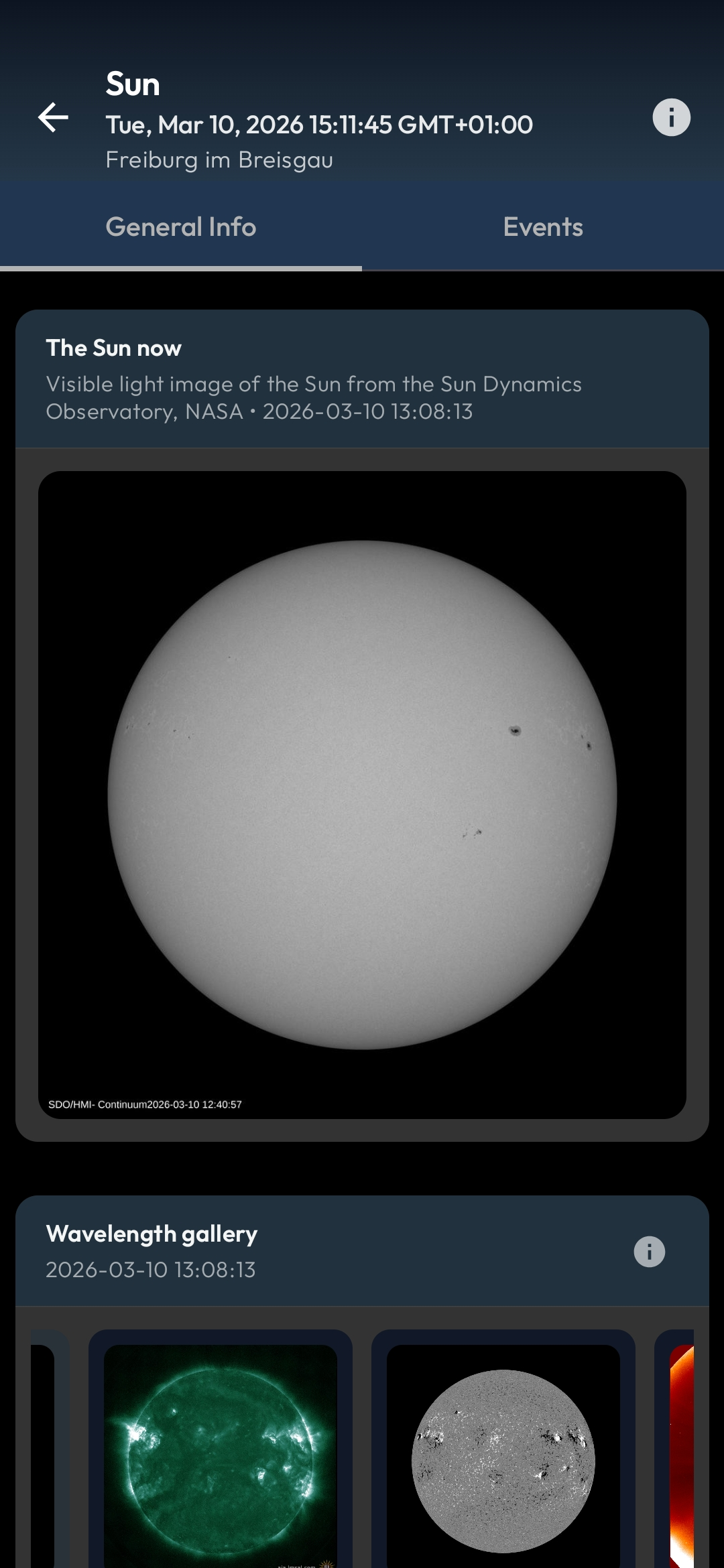
Aurora forecast, Kp-index, solar flares, and NASA SDO images
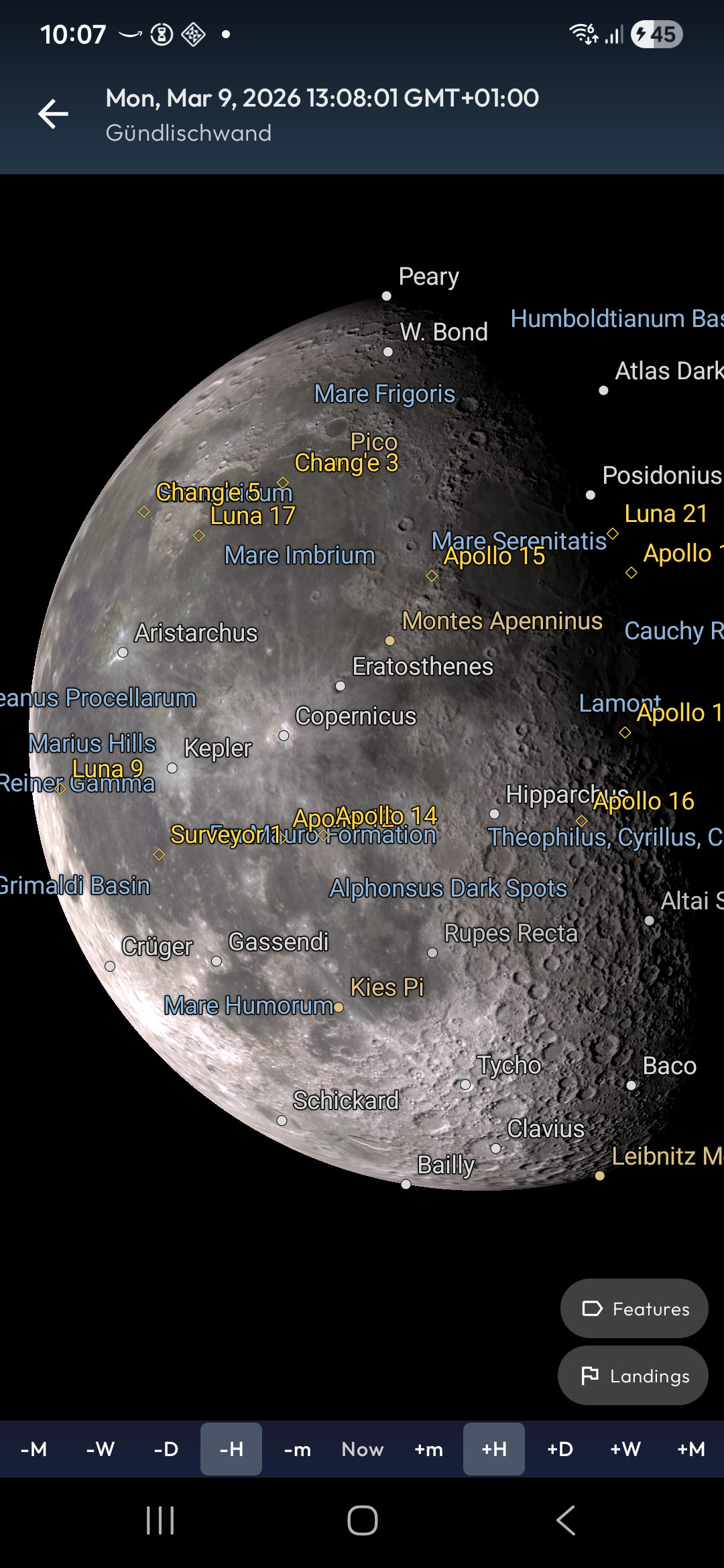
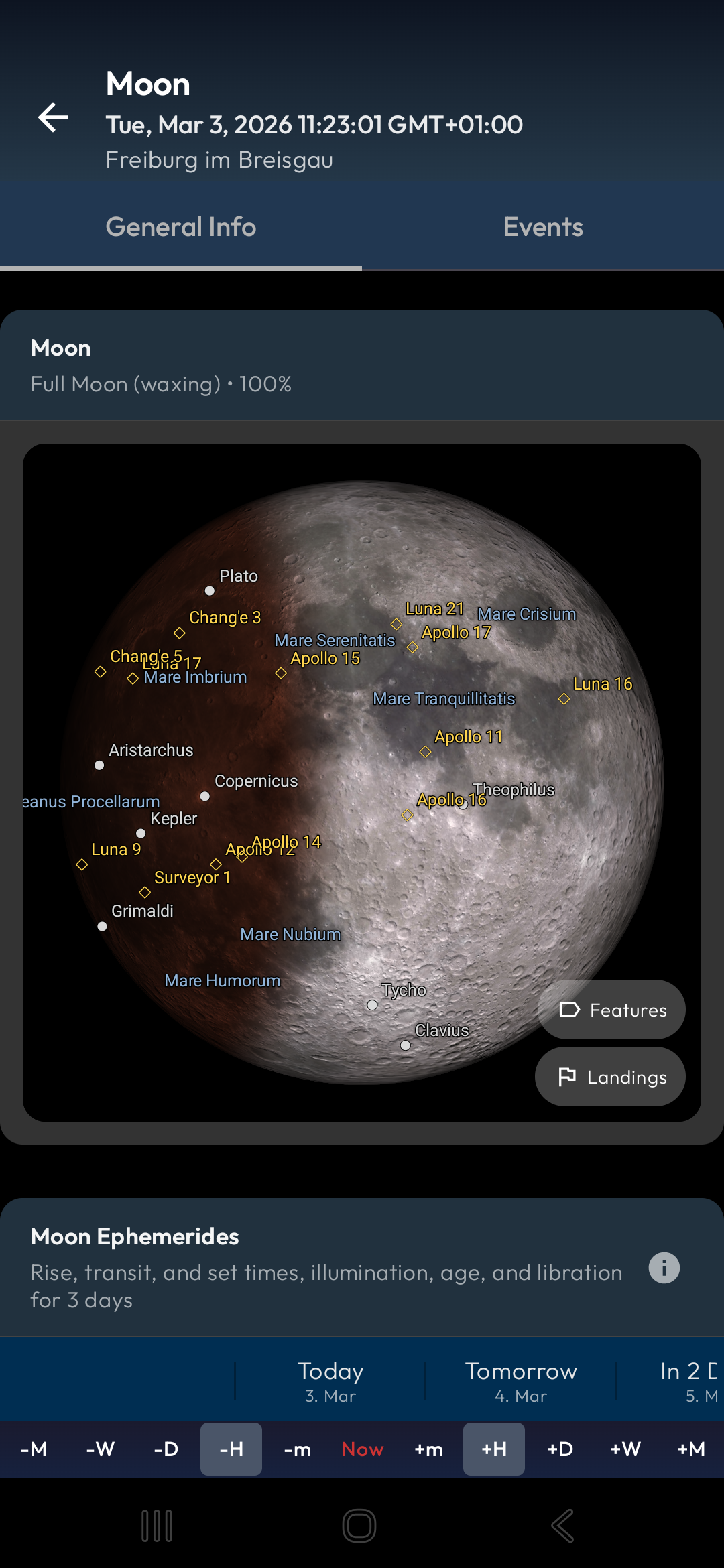
Phases, eclipses, lunar features, sunspot data, and rise/set times
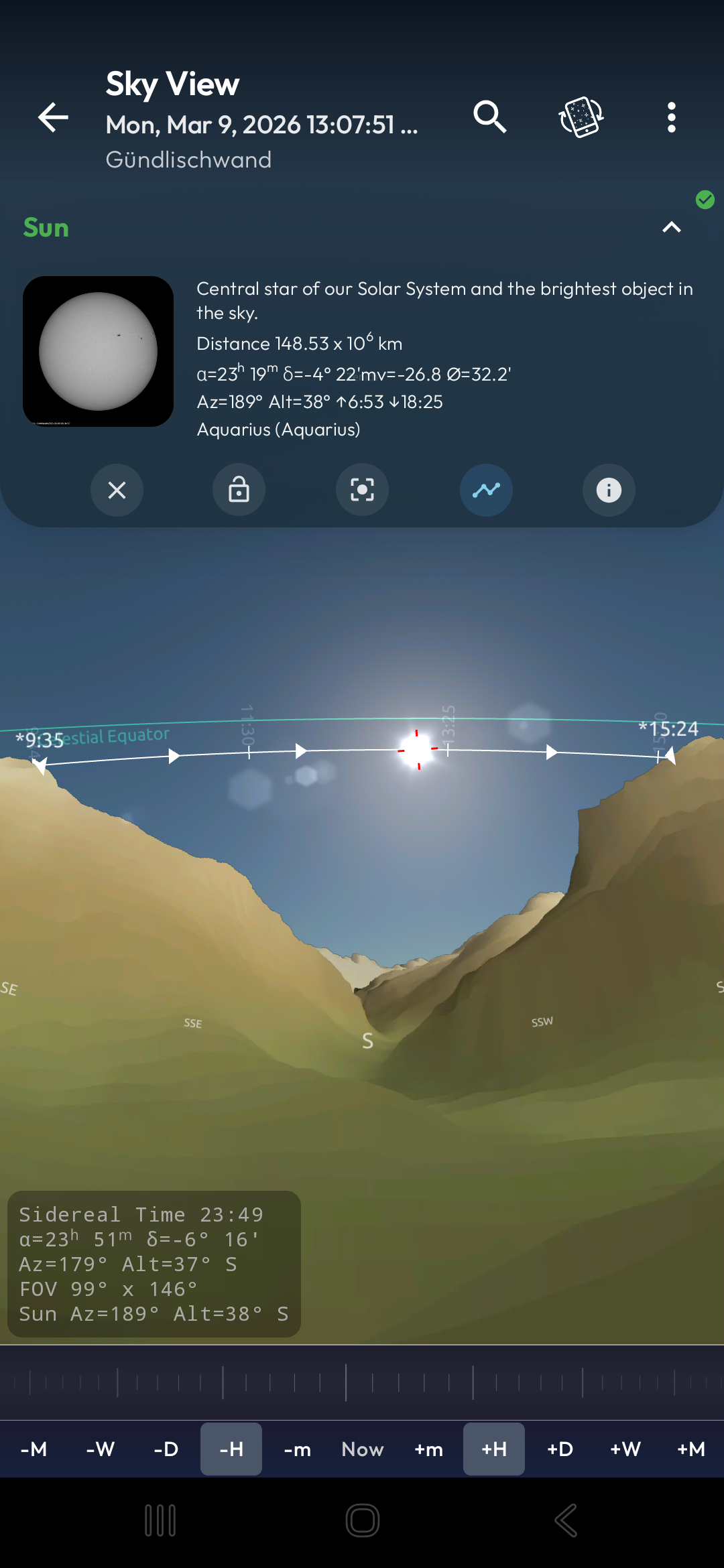
Real terrain profiles from NASA data for precise rise/set times
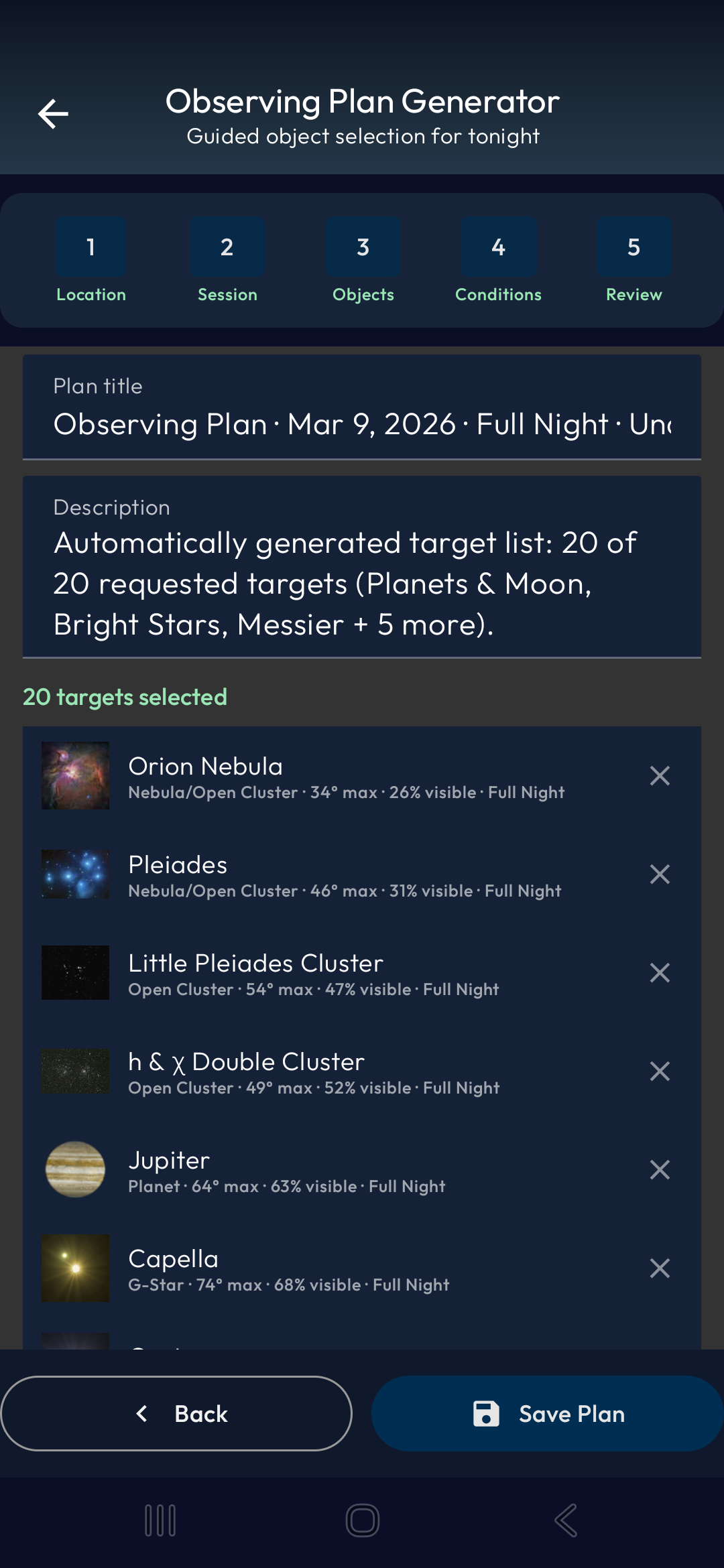
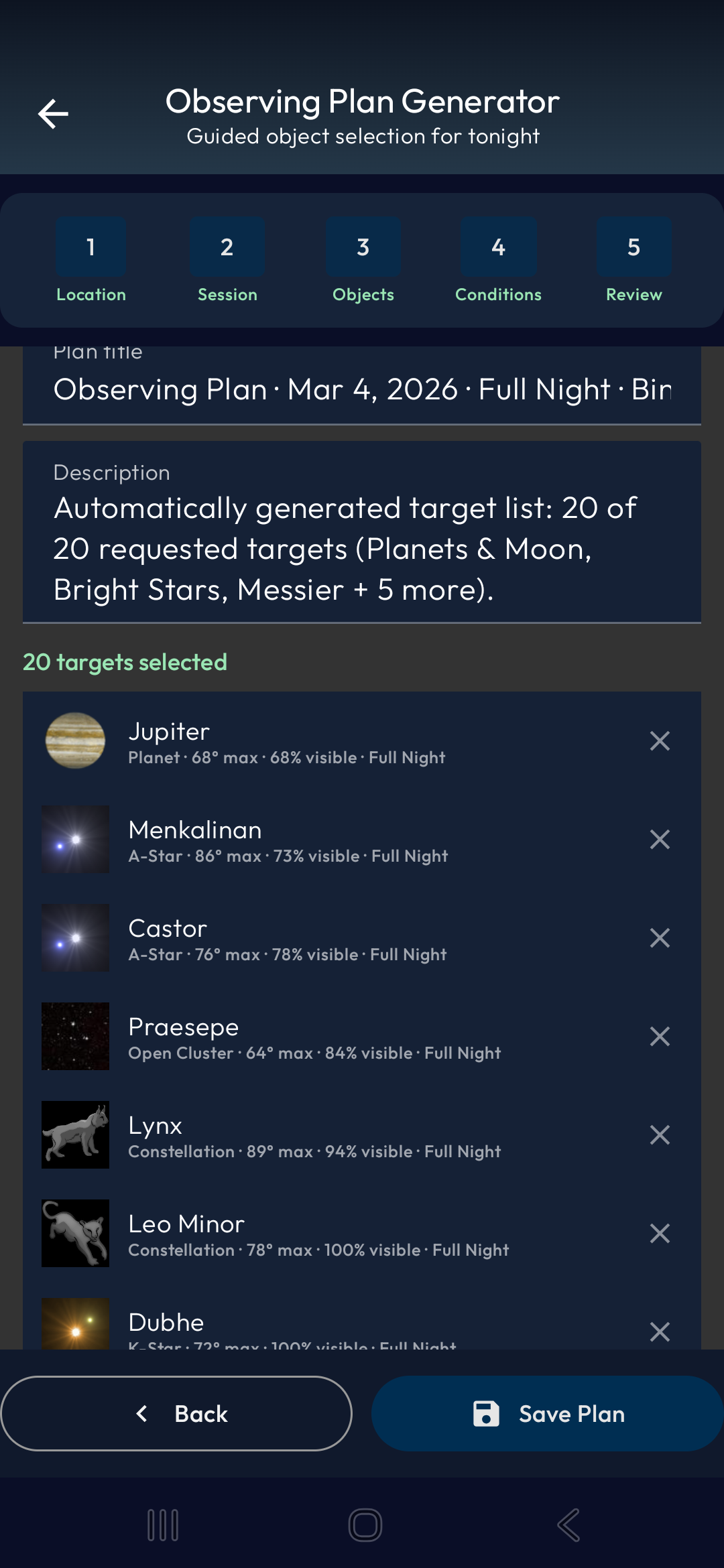
Auto-generated session plans based on your equipment and location
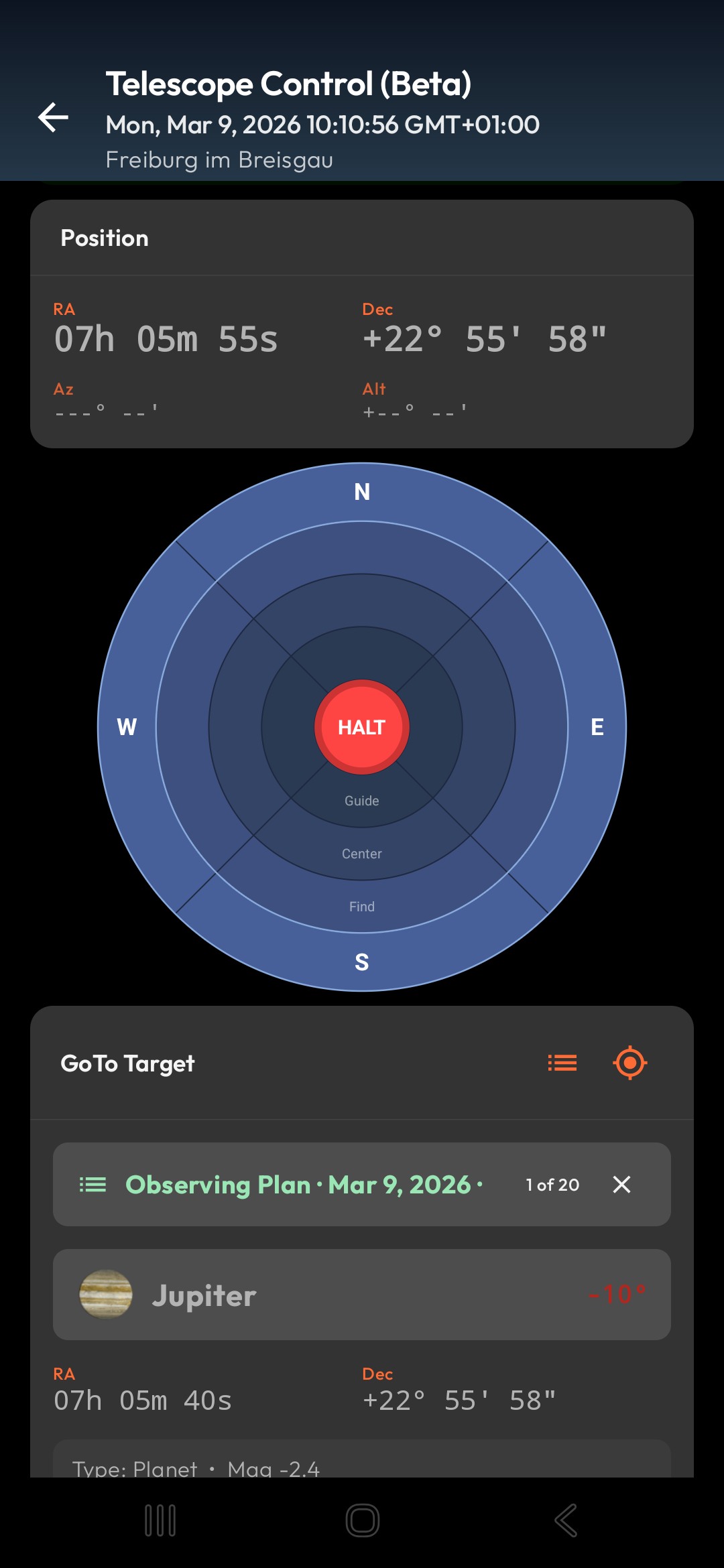
Connect your GoTo telescope and slew to any object with a single tap
Hipparcos, SAO, and extended catalogs with detailed star data
See Mobile Observatory in action
From first launch to expert observer
Point your phone at the sky and see stars, planets, and the Sun's path over your real 3D terrain.
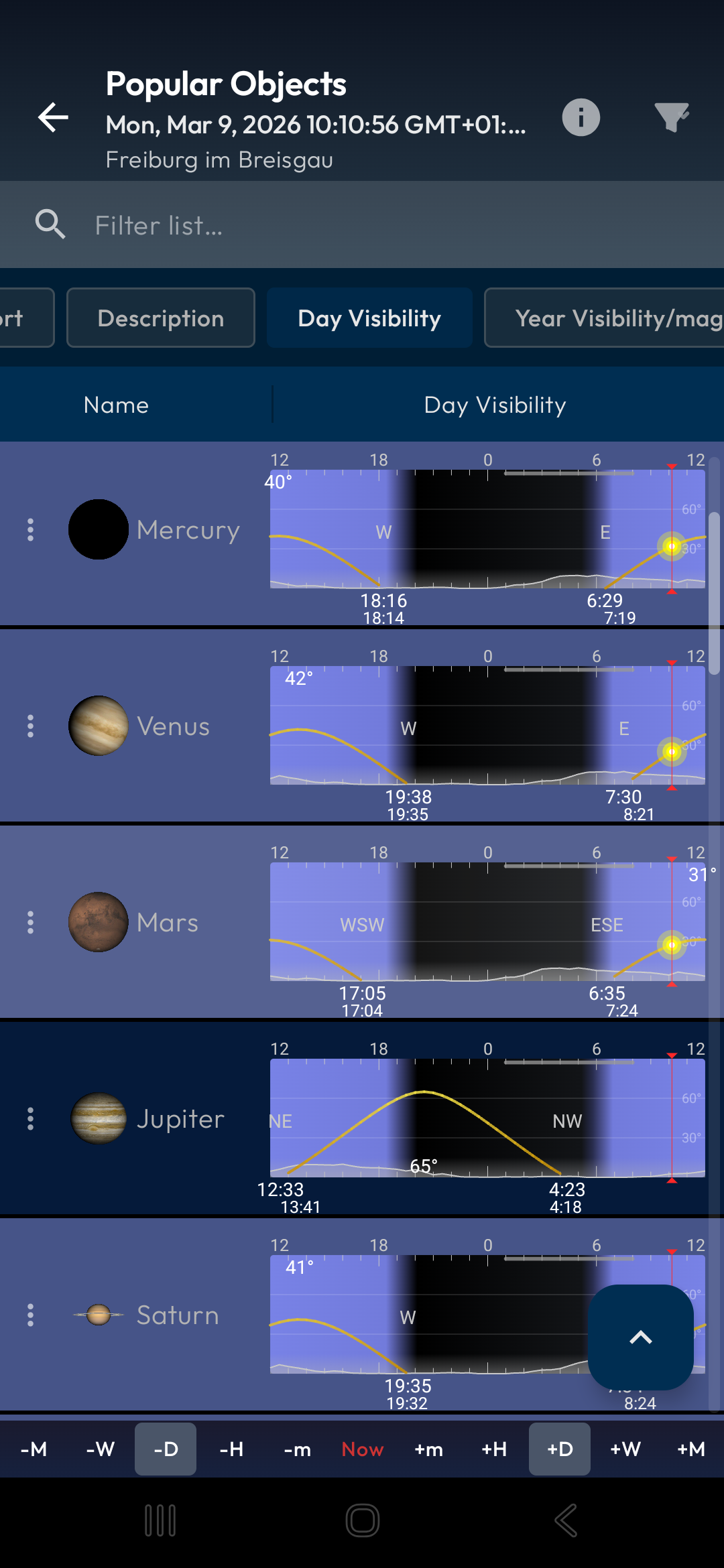
Browse upcoming conjunctions, eclipses, ISS passes, and thousands of celestial objects with detailed data.
Generate optimized observing plans, control your telescope, and log your observations like a pro.
Scroll through real app screens — tap to enlarge


If you are looking to explore specific eras of international media, let me know if you would like to look into:
: If looking for high-definition video walkthroughs or clips, look for verified creators on mainstream video sharing platforms rather than downloading unverified video files.
: There is rarely an "official" website for these specific "MAXD" releases, as they are often fan-made or distributed through grey-market channels.
As players progress through the game, they can unlock new abilities and upgrades for both Sakura and Maxd 04, enhancing their capabilities and allowing access to previously inaccessible areas.
Players are encouraged to explore the game's vibrant worlds, uncovering hidden secrets and interacting with a cast of colorful characters.
In independent digital marketplaces, titles under the name usually refer to lighthearted simulation, visual novel, or point-and-click puzzle games developed by independent creators. Japanese indie developers frequently utilize character models like "Sakura" or "Sakurada" to anchor simple interactive stories.
In the realm of video games, certain titles stand out for their unique approach to storytelling, gameplay, and character development. One such game that has garnered interest and attention is "Maxd 04: Sakura Sakurada - The Dog Game 1." This write-up aims to provide an overview of the game, focusing on its core elements, gameplay mechanics, and what sets it apart.
The keyword string frequently surfaces in niche digital archives and gaming communities. While it may look like a random assortment of terms, it points toward a specific intersection of Japanese adult media history and simulation gaming. Deciphering the Keyword: What is MAXD-04?
Though free, Game 1 delivers high production quality: multiple endings, collectible photos, and branching interactions encourage replay. It functions as both a satisfying standalone vignette and a teaser for a full-length follow-up.
Tools for astronomers, astrophotographers, and anyone who looks up
Explore the solar system in an interactive 3D view
Track the ISS, Starlink, and thousands more maxd 04 sakura sakurada the dog game 1 free extra quality
Point your camera and explore the sky
Real-time aurora and solar activity dashboard If you are looking to explore specific eras
Personalized recommendations for your location
Massive astronomical database at your fingertips Players are encouraged to explore the game's vibrant
Plan your observing sessions in advance
Detailed Sun and Moon information
Fresh 5-star feedback from astronomers around the world
"The update to version 4 brings several interesting graphical and functional improvements. It's incredibly realistic; the horizon profile at your observation location allows for more precise calculations of star rises and sets. The 3D view has been significantly improved, with updated graphics for the well-rendered planets, and every astronomical event is faithfully reproduced. A full 5 stars for this beautiful app, an indispensable tool for both amateur and professional astronomers."
"If you're wondering which special objects are in the constellation you're looking at right now, and when they can best be observed, then this app is exactly right for you. I've tried just about every astronomy app out there. My conclusion: by far the most valuable app for amateur astronomers who want to explore the night sky themselves with their own telescope."
"This app is simply fantastic and keeps getting better. It offers a huge variety of features, making it the most professional app in the Play Store."
"Version 4 is amazing: intelligently programmed, very well organized. Thank you for this excellent work!"
New users should begin with the freemium app, then unlock premium inside the app when they are ready. If you prefer buying up front, Mobile Observatory Pro remains available as the classic paid edition.
Recommended for all new users
Classic paid edition for users who prefer a separate upfront purchase
The story behind Mobile Observatory
Creator of Mobile Observatory
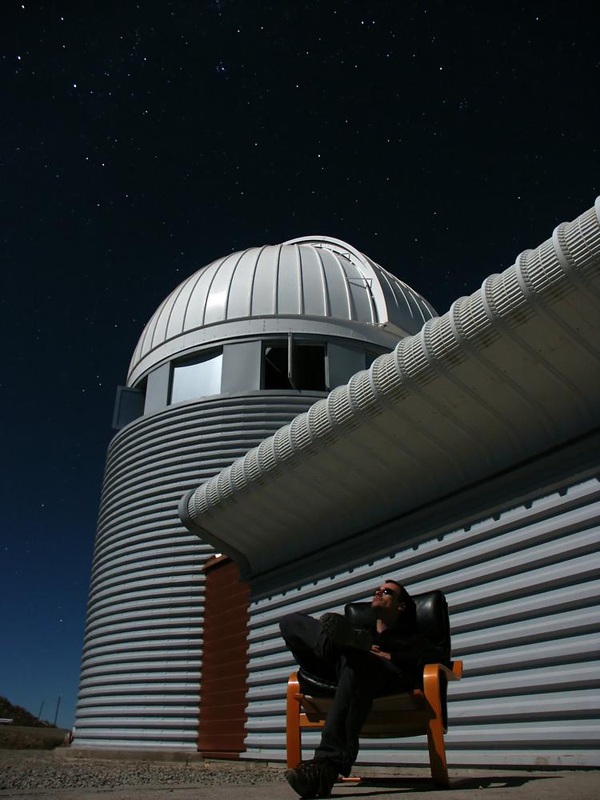
Wolfgang Zima spent years as a professional astronomer before finding his way into software development. After completing his PhD in Astronomy at the University of Vienna, he worked as a postdoctoral researcher at the Institute for Astronomy at KU Leuven in Belgium for five years. It was there that he discovered a passion for scientific software — writing tools for analyzing spectra of pulsating stars and building a CCD image simulator for ESA's PLATO mission, a space telescope searching for Earth-like exoplanets.
Mobile Observatory started almost by accident: when his Nokia phone broke on a mountain biking trip in late 2010, Wolfgang got his first Android phone and was surprised that no good astronomy apps existed. So he built one. First released in January 2011, Mobile Observatory has since grown into one of the most comprehensive astronomy apps for Android and has been continuously improved for well over a decade.
Wolfgang lives in Freiburg, Germany, where he works as a Senior Mobile Developer at sevdesk. He continues to develop Mobile Observatory with the same enthusiasm as on day one — now with the help of modern AI tools that let him bring new features to life faster than ever.
If you are looking to explore specific eras of international media, let me know if you would like to look into:
: If looking for high-definition video walkthroughs or clips, look for verified creators on mainstream video sharing platforms rather than downloading unverified video files.
: There is rarely an "official" website for these specific "MAXD" releases, as they are often fan-made or distributed through grey-market channels.
As players progress through the game, they can unlock new abilities and upgrades for both Sakura and Maxd 04, enhancing their capabilities and allowing access to previously inaccessible areas.
Players are encouraged to explore the game's vibrant worlds, uncovering hidden secrets and interacting with a cast of colorful characters.
In independent digital marketplaces, titles under the name usually refer to lighthearted simulation, visual novel, or point-and-click puzzle games developed by independent creators. Japanese indie developers frequently utilize character models like "Sakura" or "Sakurada" to anchor simple interactive stories.
In the realm of video games, certain titles stand out for their unique approach to storytelling, gameplay, and character development. One such game that has garnered interest and attention is "Maxd 04: Sakura Sakurada - The Dog Game 1." This write-up aims to provide an overview of the game, focusing on its core elements, gameplay mechanics, and what sets it apart.
The keyword string frequently surfaces in niche digital archives and gaming communities. While it may look like a random assortment of terms, it points toward a specific intersection of Japanese adult media history and simulation gaming. Deciphering the Keyword: What is MAXD-04?
Though free, Game 1 delivers high production quality: multiple endings, collectible photos, and branching interactions encourage replay. It functions as both a satisfying standalone vignette and a teaser for a full-length follow-up.