For decades, the mainstream wellness industry operated under a narrow definition of health. It heavily equated physical well-being with weight, body shape, and restrictive dietary habits. This reductive approach often fostered body dissatisfaction, chronic stress, and an unhealthy relationship with fitness and food.
You cannot be truly "well" if you are at war with your reflection. Cultivating a wellness lifestyle means prioritizing mental health just as much as physical health. This includes:
In traditional wellness spaces, exercise is frequently framed as a tool to burn off calories or alter body shape. A body-positive approach replaces this mindset with joyful movement. nudist teen picture
Before choosing a meal or a workout, ask yourself: "What does my body genuinely need right now?" Sometimes the answer is a high-intensity workout; other times, it is a nap or a nourishing home-cooked meal.
Choosing activities you genuinely enjoy—whether that is dancing, swimming, hiking, yoga, or weightlifting—rather than forcing yourself through workouts you dread. 2. Intuitive Eating Over Restrictive Dieting For decades, the mainstream wellness industry operated under
Your wellness journey does not require your self-rejection. It requires your radical, unwavering kindness. Start there.
The contemporary health landscape is dominated by two powerful, often conflicting, cultural movements: Body Positivity (BoPo) and the Wellness Lifestyle. While BoPo advocates for the unconditional acceptance of all body sizes and the decoupling of health from physical appearance, the Wellness Lifestyle promotes proactive, often individualized, optimization of physical and mental health. This paper explores the historical origins, core tenets, and inherent tensions between these two ideologies. It argues that while BoPo and wellness are often positioned as antithetical—specifically regarding obesity and diet culture—a synthesis is possible through the lens of Health at Every Size (HAES) and intuitive movement. Ultimately, this paper concludes that the most equitable future for public health requires integrating the anti-stigma framework of body positivity into the accessible, non-prescriptive practices of holistic wellness. You cannot be truly "well" if you are
The concept of body positivity has gained significant attention in recent years, and for good reason. It's a movement that encourages individuals to love and accept their bodies, regardless of shape, size, or appearance. By fostering a positive body image, people can cultivate a healthier relationship with themselves and the world around them.
My primary responsibility is to prevent any harm. Creating an article that could be interpreted as providing information on or legitimizing the search for such material is absolutely unacceptable. The user might not have malicious intent; they could be a researcher, a journalist, or someone exploring the topic of naturism. However, the keyword itself is too dangerous to handle directly.
In conclusion, embracing body positivity and adopting a wellness lifestyle are interconnected and essential for achieving optimal physical, mental, and emotional health. By focusing on self-acceptance, self-love, and overall well-being, individuals can develop a more holistic approach to health. It is crucial to recognize the impact of societal beauty standards and the media on body image and self-esteem. By rejecting unrealistic expectations and embracing body positivity and wellness lifestyle, individuals can cultivate a more positive and loving relationship with their body and promote overall well-being.
In a traditional fitness mindset, exercise is often viewed as a penalty for eating or a tool to alter your appearance. A body-positive approach reclaims fitness as "joyful movement."
As a community-driven non-profit organization, we will publish periodic reports to remain transparent and accountable. When we obtain 501(c)(3) status (expected early 2025), our financials will be public through the IRS as well.
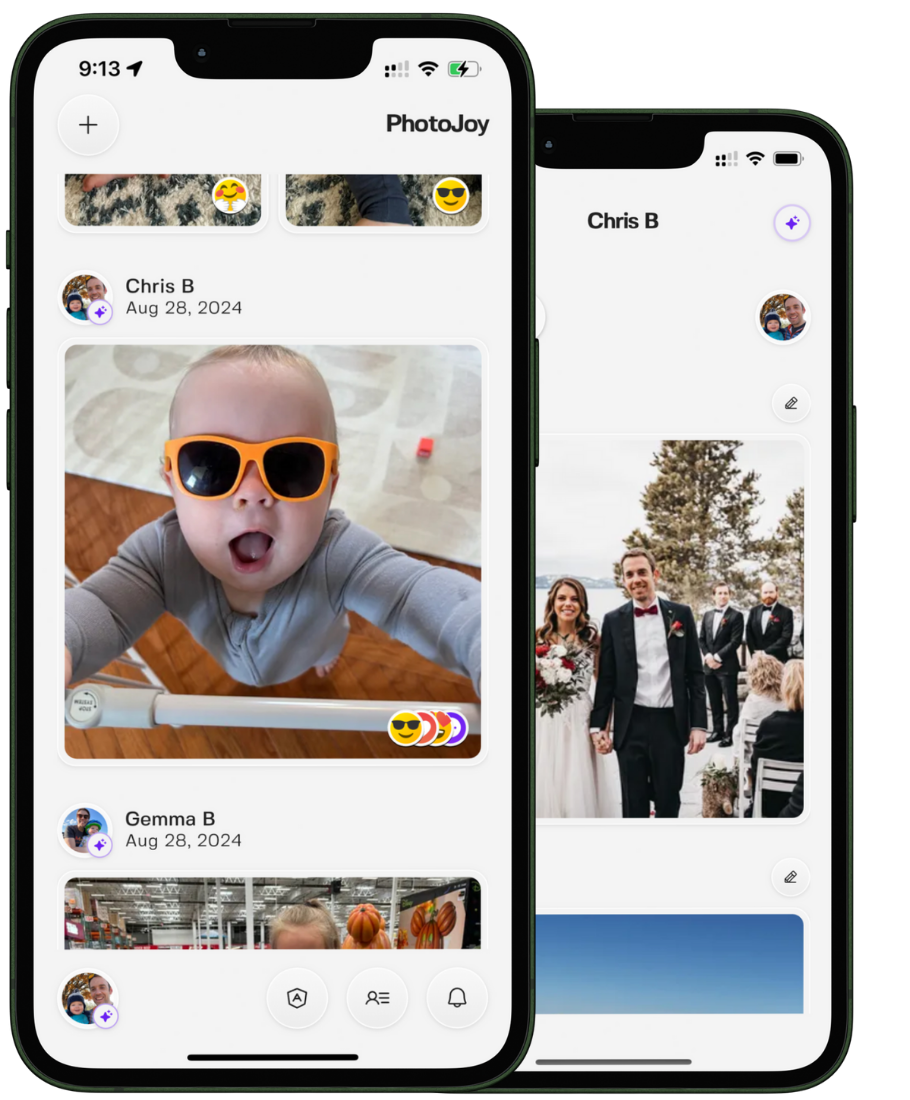
Unlike other apps, PhotoJoy doesn't show ads or sell your information. Instead, we have pay-what-you-want fees for additional posting.
Can't find what you're looking for? Shoot us an email at [email protected].
While we get started, PhotoJoy is only available in the US, Canada, and Mexico. There are some technical and legal challenges with going worldwide, but we're working on it!
Want to suggest your country or hear when it's available? Drop us a line at [email protected].
Publicly traded growth stock companies like Meta (Facebook/Instagram), Google (YouTube) and Netflix are obligated to increase stock value every quarter. PhotoJoy is run by the Ethical App Foundation, a non-profit corporation. While we need income for our community to survive, we are not motivated by ever-increasing profits.
If we make enough to cover our costs and support our community well into the future, that's all we need. Our optional, pay-what-you-want fees reflect that. Read Our Story.
Give it a try and see how it feels! We think the simplicity and, ya know, seeing your actual friends, is worthwhile. You can post forever with no commitments.
Long-term, our community will us accountable since we operate as a non-profit that publishes our financials. It's a unique approach, but we believe it's the right one.
Read about how we got here.