Oligoscan is an innovative medical device
Physiological imbalance screening. Non-invasive, no blood test needed.
Learn moreOligoscan easy to use
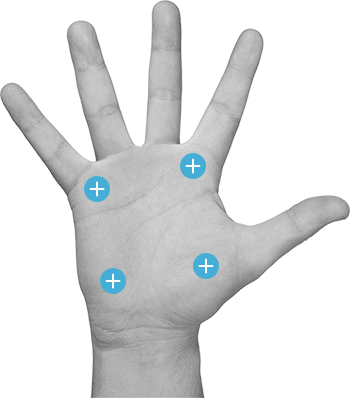
A quick evaluation of minerals and toxic metals in the palm of the hand.
Learn moreScreening of physiological imbalances helps better health control and trace minerals overall wellbeing.

Excess and deficiency in minerals
A risk of toxic metals poisoning
Responsible for aging and numerous other diseases
Instant measurements of minerals, trace elements, oxidative stress and toxic metals.
Oligoscan can be used by all health specialists allowing for rapid and pain free analysis.
The measurement is taken directly by a portable spectrometer connected to a computer
The technology is based on spectroscopy
Evaluation of trace minerals reserves, the level of oxidative stress and toxic metals
Non-invasive measurement taken in situ
The record provided allows for detection of trace elements and minerals deficiencies as well as high rate of toxic metals in the body.
Oligoscan is now used by health professionals in many countries as a solution whenever a quick and accurate analysis of the level of trace elements, minerals and toxic metals is needed.
The Oligoscan uses optical technology : spectrophotometry.

This is a quantitative analytical method of measuring the absorption or the optical density of a chemical.
It is based on the principle of absorption, transmission or reflection of light by the chemical compounds over a certain wavelength range.
Spectrophotometry is used in many areas : chemicals, pharmaceuticals, environment, food, biology, medical / clinical, industrial and others.
In the medical field, spectrophotometry is used to examine blood or tissue.
The Oligoscan is a reliable and scientifically proven tool..
A set of tests and comparative studies have been made by researchers highlighting a correlation between the results of the Oligoscan and those performed in the laboratory.
In this scenario, the Pakistani wife (Biwi) often finds herself in a difficult household situation. The romance develops when the husband shifts from being indifferent to becoming her protector against toxic family dynamics.
In classic tropes, the Pakistani wife is often depicted as a submissive figure who endures marital hardship ( Sabar ). However, in modern digital storylines covering alternative relationships, the female lead often gains agency. She transitions from a neglected spouse to a woman who finds genuine emotional validation and fierce protectiveness in a new, albeit unconventional, partnership. 3. The Jealousy and Redemption Arc
A major turning point in these romantic storylines is the shift from forced compliance to genuine, forbidden attraction. Writers often use the new, unconventional relationship to awaken desires that were suppressed in a dull or loveless traditional marriage. 3. Power Dynamics and Autonomy
Pakistani television dramas are incredibly popular, not just within Pakistan but also among diaspora communities. They often feature strong romantic storylines, sometimes intertwined with themes of friendship, family honor, and societal pressures. Shows like "Zindagi Gulzar Hai," "Humsafar," and "Mera Naseeb" are examples that have gained widespread acclaim for their portrayal of complex relationships.
Explore the evolution of these storylines by reviewing the Media Psychology Review for insights into how audience consumption shapes modern digital narratives. The Traditional Archetype vs. Modern Digital Narratives
Beyond the initial plot hooks, popular digital stories often explore the psychological impact of change on a character's primary relationships, focusing on how individuals renegotiate trust and communication.
The popularity of keywords like "Pakistani Biwi Ki Adla Badli" in romantic fiction highlights a shifting digital subculture. It shows that a segment of the audience is eager to move beyond conventional "happily ever after" tropes to explore the messy, complex, and taboo dimensions of human relationships. Whether viewed as mere escapist fantasy or a reflection of changing modern attitudes, these storylines continue to carve out a permanent, highly engaged niche in contemporary South Asian digital literature. To help tailor this article or explore this topic further,
One day, a new family moved into the town. They were from a different part of the country and didn't know anyone around. Biwi, being the friendly person she was, decided to introduce herself.
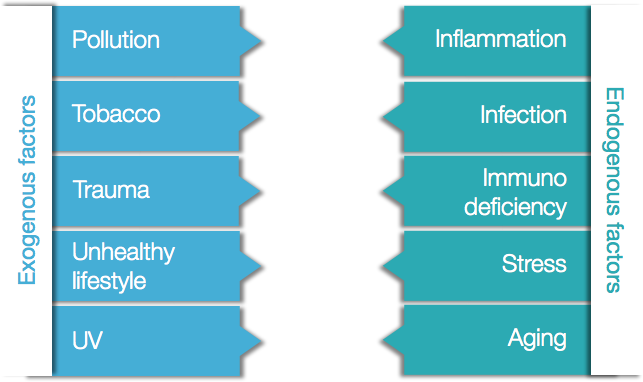
Free radicals are molecules produced in small amounts by the body. These free radicals are very reactive substances, capable of damaging the components of the cells (enzyme proteins, lipid membranes, DNA).
Their production is particularly stimulated by the exposure to sunlight (UV), tobacco, pollution, pesticides, etc.
A diet rich in antioxidants, particularly found in some fruits and vegetables, is essential in fighting free radicals.
Some scientific references :
In this scenario, the Pakistani wife (Biwi) often finds herself in a difficult household situation. The romance develops when the husband shifts from being indifferent to becoming her protector against toxic family dynamics.
In classic tropes, the Pakistani wife is often depicted as a submissive figure who endures marital hardship ( Sabar ). However, in modern digital storylines covering alternative relationships, the female lead often gains agency. She transitions from a neglected spouse to a woman who finds genuine emotional validation and fierce protectiveness in a new, albeit unconventional, partnership. 3. The Jealousy and Redemption Arc
A major turning point in these romantic storylines is the shift from forced compliance to genuine, forbidden attraction. Writers often use the new, unconventional relationship to awaken desires that were suppressed in a dull or loveless traditional marriage. 3. Power Dynamics and Autonomy
Pakistani television dramas are incredibly popular, not just within Pakistan but also among diaspora communities. They often feature strong romantic storylines, sometimes intertwined with themes of friendship, family honor, and societal pressures. Shows like "Zindagi Gulzar Hai," "Humsafar," and "Mera Naseeb" are examples that have gained widespread acclaim for their portrayal of complex relationships.
Explore the evolution of these storylines by reviewing the Media Psychology Review for insights into how audience consumption shapes modern digital narratives. The Traditional Archetype vs. Modern Digital Narratives
Beyond the initial plot hooks, popular digital stories often explore the psychological impact of change on a character's primary relationships, focusing on how individuals renegotiate trust and communication.
The popularity of keywords like "Pakistani Biwi Ki Adla Badli" in romantic fiction highlights a shifting digital subculture. It shows that a segment of the audience is eager to move beyond conventional "happily ever after" tropes to explore the messy, complex, and taboo dimensions of human relationships. Whether viewed as mere escapist fantasy or a reflection of changing modern attitudes, these storylines continue to carve out a permanent, highly engaged niche in contemporary South Asian digital literature. To help tailor this article or explore this topic further,
One day, a new family moved into the town. They were from a different part of the country and didn't know anyone around. Biwi, being the friendly person she was, decided to introduce herself.