
A cross platform, customizable graphical frontend for launching emulators and managing your game collection.
A cross platform, customizable graphical frontend for launching emulators and managing your game collection.
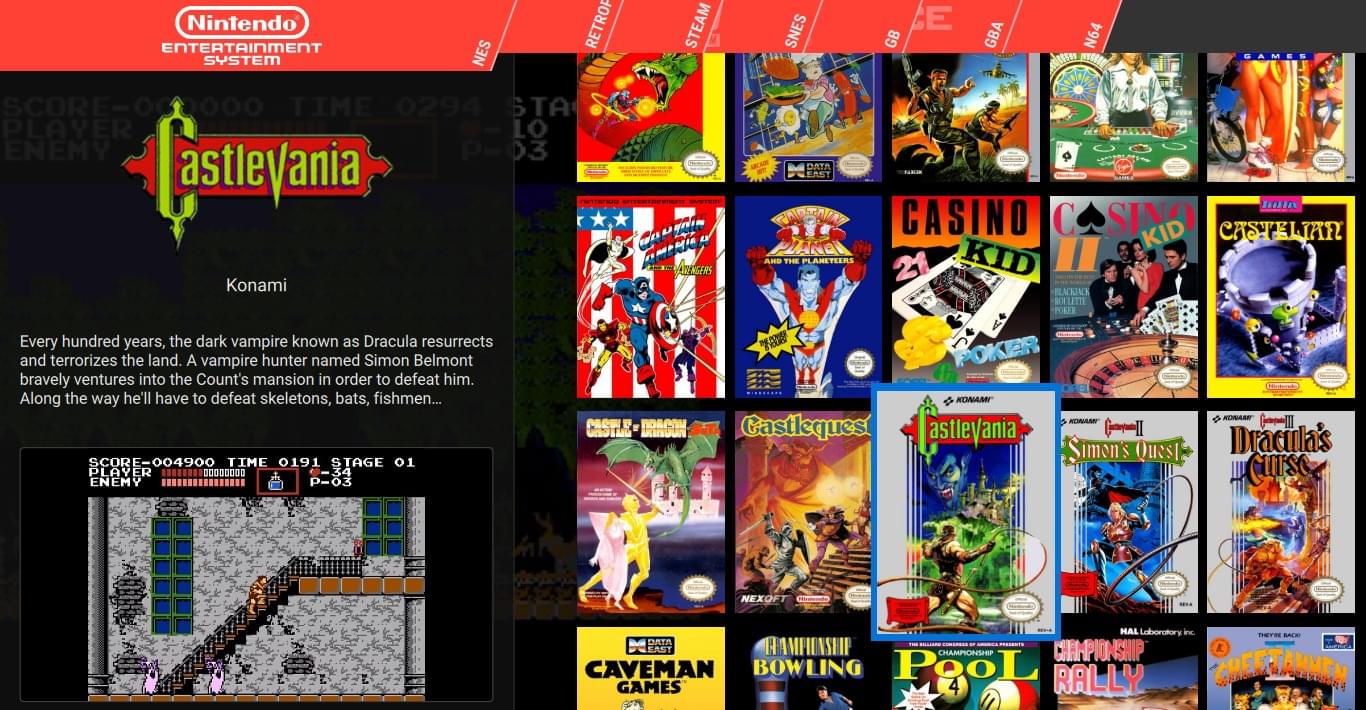
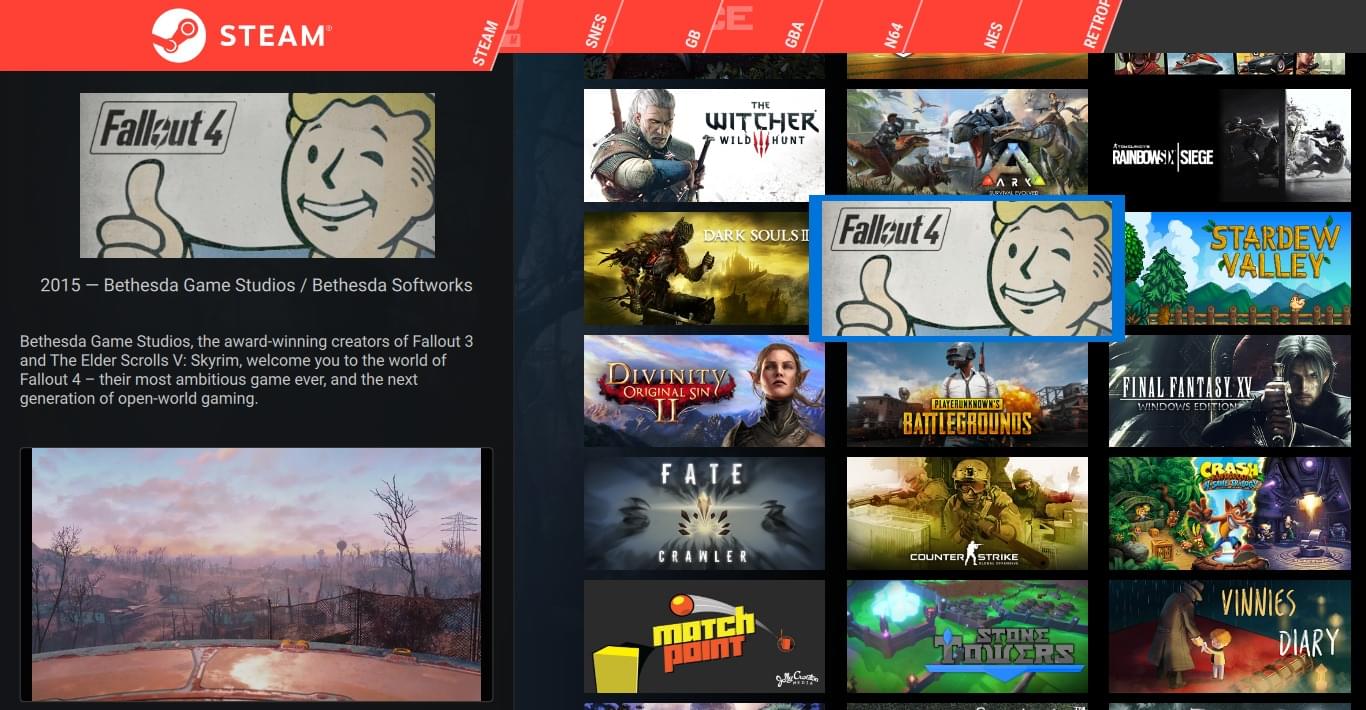
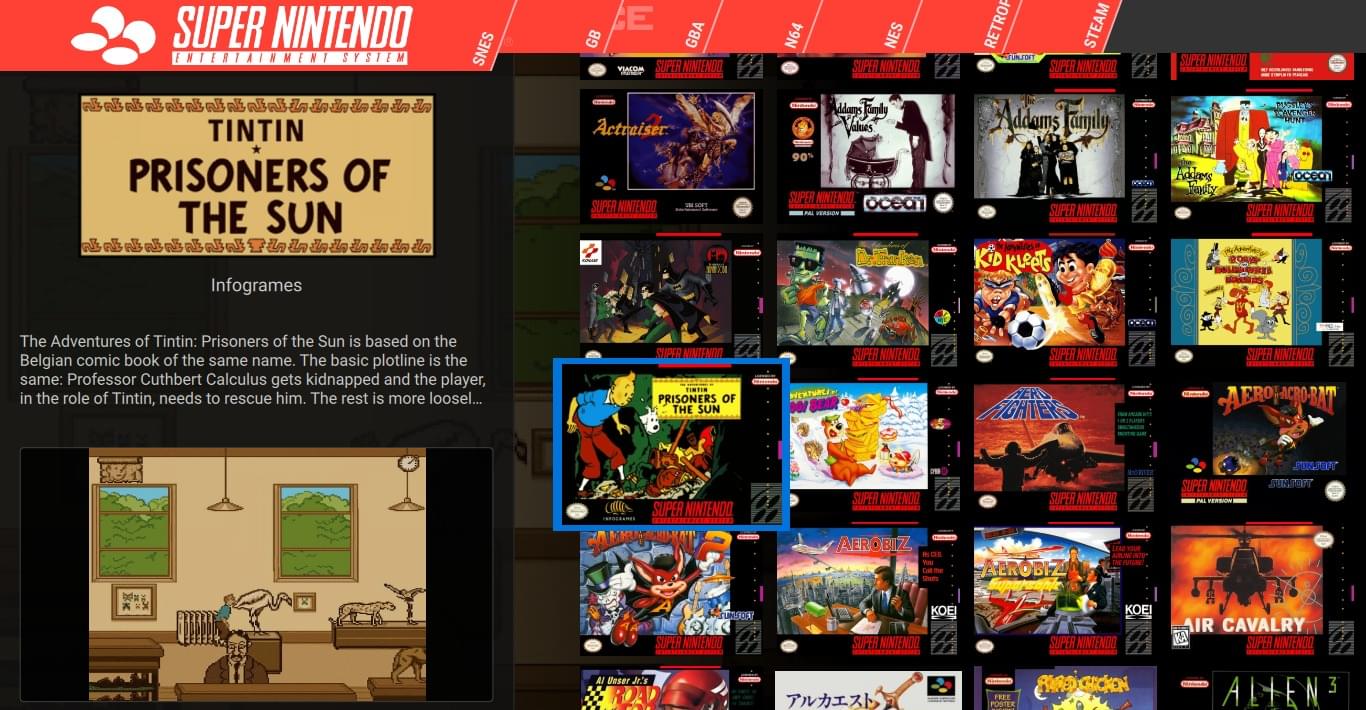
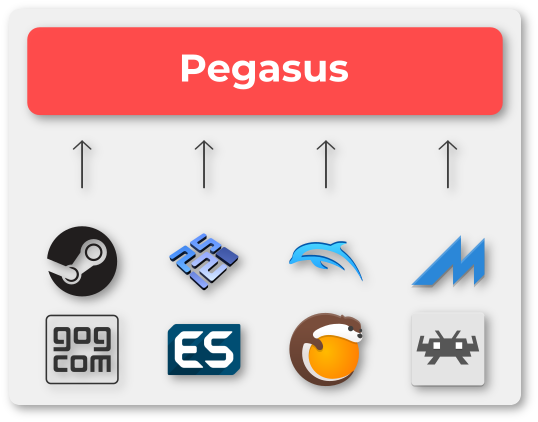
Pegasus is a graphical frontend for browsing your game library (especially retro games) and launching them from one place. It's focusing on customizability, cross platform support (including embedded devices) and high performance.
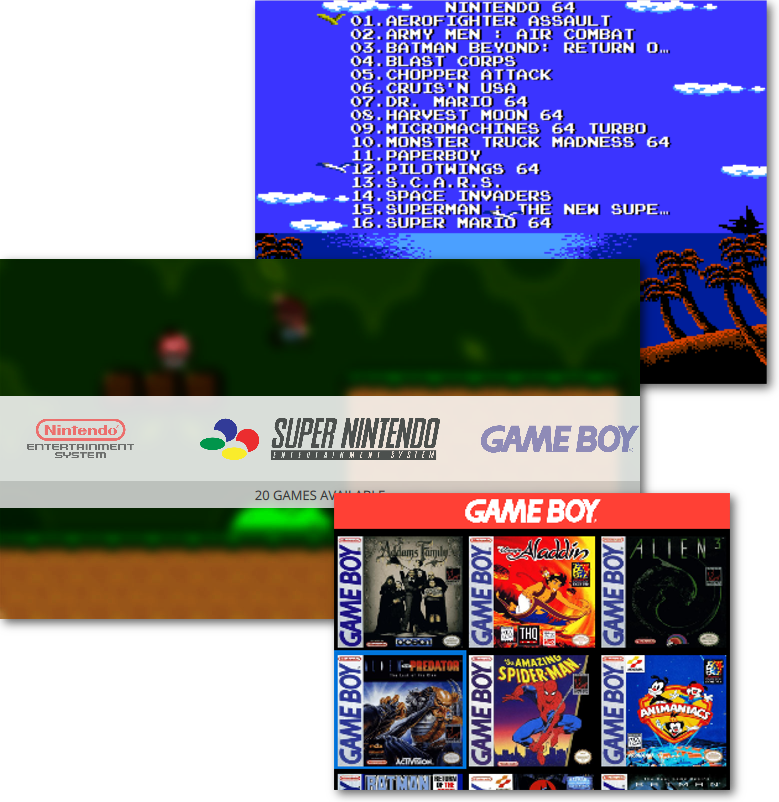
Instead of launching different games with different emulators one by one manually, you can add them to Pegasus and launch the games from a friendly graphical screen from your couch. You can add all kinds of artworks, metadata or video previews for each game to make it look even better!
With additional themes, you can completely change everything that is on the screen. Add or remove UI elements, menu screens, whatever. Want to make it look like Kodi? Steam? Any other launcher? No problem. You can add animations and effects, 3D scenes, or even run your custom shader code.
Pegasus can run on Linux, Windows, Mac, Raspberry Pi, Odroid and Android devices. It's compatible with EmulationStation metadata and gamelist files, and instantly recognizes your Steam games!
By following these tips and strategies, and using the resources provided, you will be well on your way to mastering Russian Institute Lesson 8 and achieving your goals in the Russian language.
For now, I’ll assume you mean (Lesson 8 in a typical language course). Here’s a draft:
New vocabulary words and phrases were introduced, including: russian institute lesson 8
If you're looking for additional resources to supplement your learning, here are some recommendations:
, this entry shifts the focus toward character-driven narratives, following a student named Natasha as she documents her experiences. The Storyline: Natasha’s Diary By following these tips and strategies, and using
The primary objectives of Lesson 8 were:
It was a chilly winter morning when Anastasia walked into the lecture hall of the Russian Institute, her feet crunching on the frost-covered pathways outside. She was in her third year, majoring in International Relations, with a keen interest in understanding the complex dynamics between Russia and the West. This particular morning, she had Lesson 8 of her advanced Russian language course, which focused on discussing current political events in Russian. The Storyline: Natasha’s Diary The primary objectives of
But is different. This is the pivot point. This is where you stop translating in your head and start thinking in Russian.
Lesson 8 is a critical component of the Russian Institute's language learning program, marking a significant milestone in the student's journey. At this stage, students have already acquired a solid foundation in Russian grammar, vocabulary, and pronunciation. Lesson 8 builds upon this foundation, introducing more complex language structures, nuanced vocabulary, and authentic materials that simulate real-life situations.
In Lesson 8, students may learn new vocabulary related to various themes, such as:


