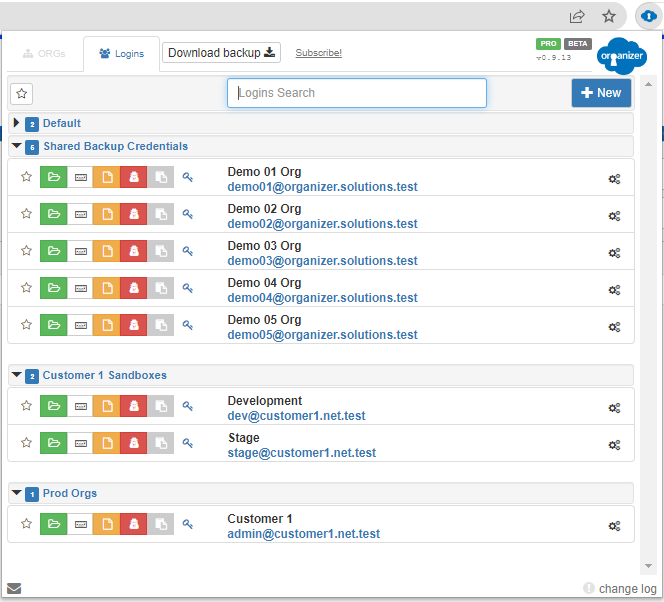
ORGs customization
Configure Salesforce tabs' icons and titles
This comprehensive technical guide outlines exactly what these patches do, why they trigger common system bugs, and how to successfully deploy them on a 64-bit architecture. The Technical Breakdown: KB2533552 vs. KB2533623
Before diving into the how , let’s clarify the what . KB2533 is a cumulative update originally released in the early 2010s for and Windows Server 2008 R2 64-bit . It is not a "Feature Update" or a "Service Pack," but rather a reliability and security rollup that addresses three core areas:
If you already ran it:
Released in 2011, KB2533623 was designed to mitigate a widespread vulnerability known as "insecure library loading" or "DLL hijacking". Before this patch, certain applications could be tricked into loading malicious DLL files if they were placed in the same directory as a legitimate data file. windows update kb2533 64 bit full
The update's primary purpose is to harden Windows against "Insecure Library Loading" vulnerabilities. It introduces new API functions that allow developers to specify secure locations for loading external DLLs: SetDefaultDllDirectories : Sets a default search path for the application. AddDllDirectory
Microsoft has officially retired the standalone download for KB2533623. It was replaced by Released in 2011, KB2533623 was designed to mitigate
As of 2026, Microsoft has officially retired the direct download links for KB2533623, often resulting in "404 Not Found" or "Download no longer available" errors on original support pages . It has been by newer updates, which are the recommended official path for modern systems . Recommended Alternatives
Wait, Microsoft has a policy where they retire old KB articles after a certain period. If they retired it, the link might not exist anymore. Let me verify. I can check the Microsoft support site. Hmm, if I search for KB2533, it's probably not available anymore. So the user might be looking for an old update that's no longer accessible. Released in 2011
One of the biggest challenges of installing old updates on modern Windows 7 machines is the update to SHA-2 code signing. If you are getting errors that the update "does not apply" or the installer refuses to open, you may be missing newer Servicing Stack Updates from 2019. Specifically, users have reported that installing KB4474419 and KB4490628 first fixes the cryptographic signer validation for old MSU files like KB2533623.