Xxx Gals Shemale Fixed -
Visualize and understand your Java code execution like never before
6+
Visualization Views
VS Code
Integration
Free
Open Source
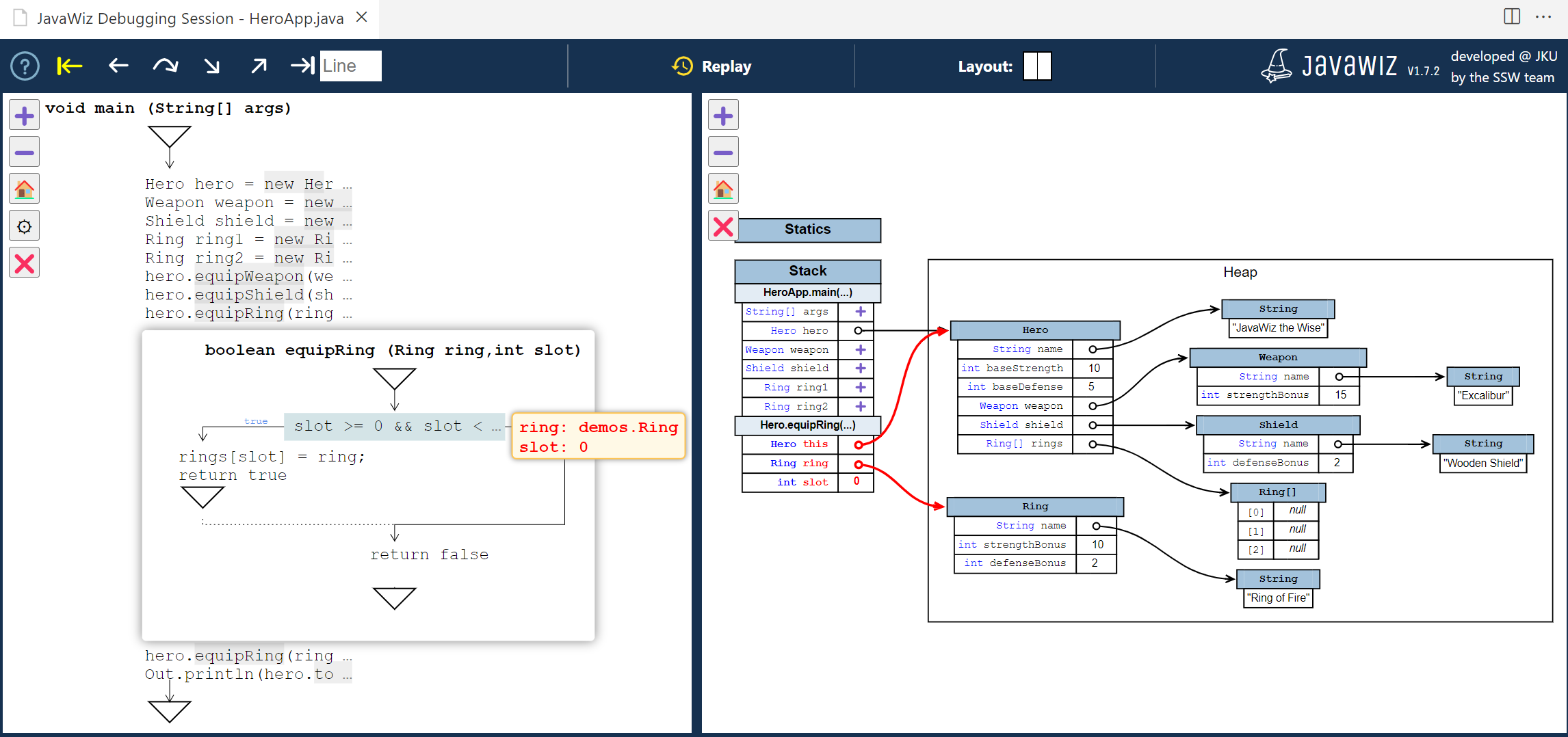
Visualize and understand your Java code execution like never before
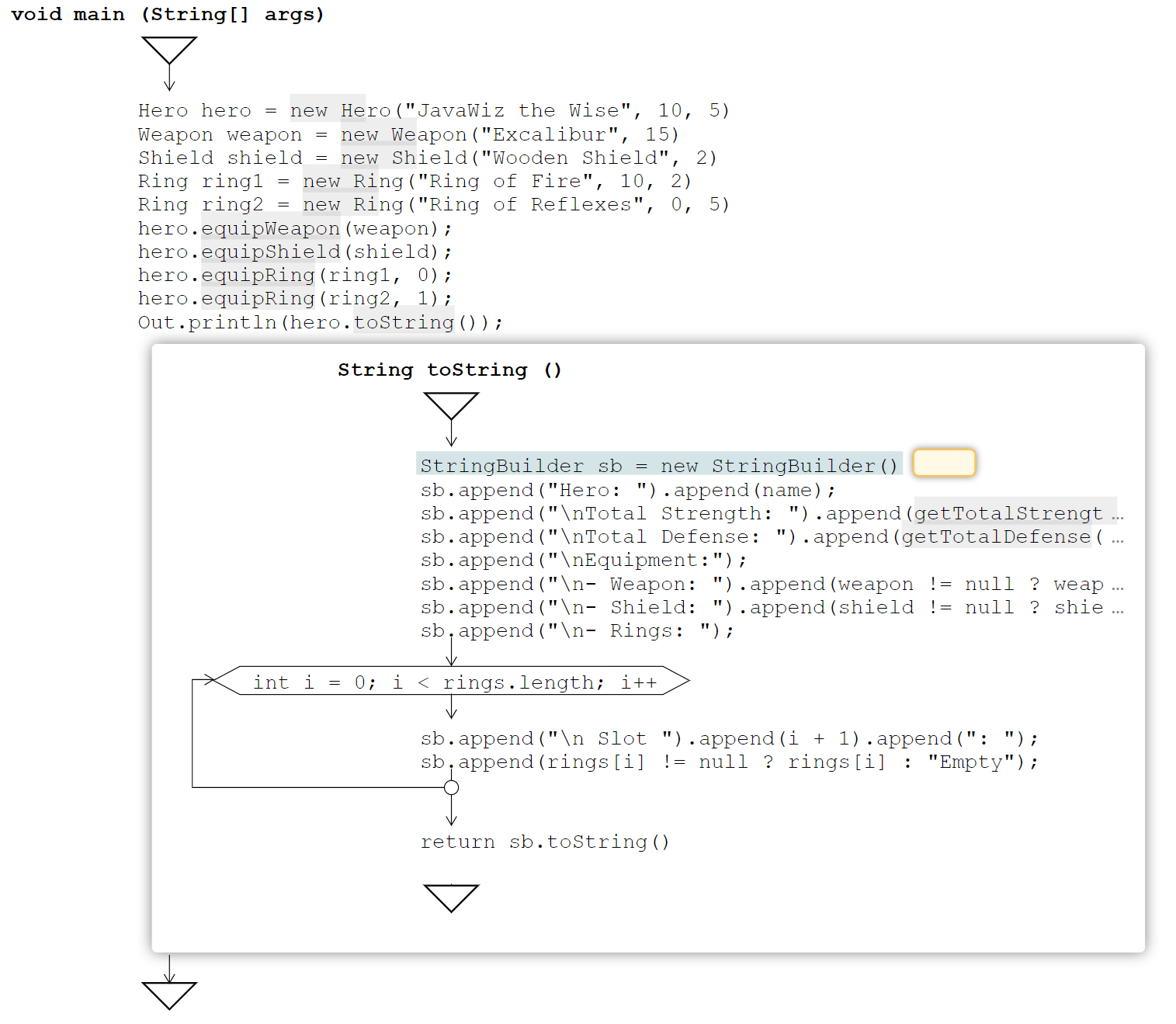
A dynamic flowchart representation of your program's control flow. It highlights the active statement, displays current variable values, and allows collapsing/expanding elements and method calls for better overview.
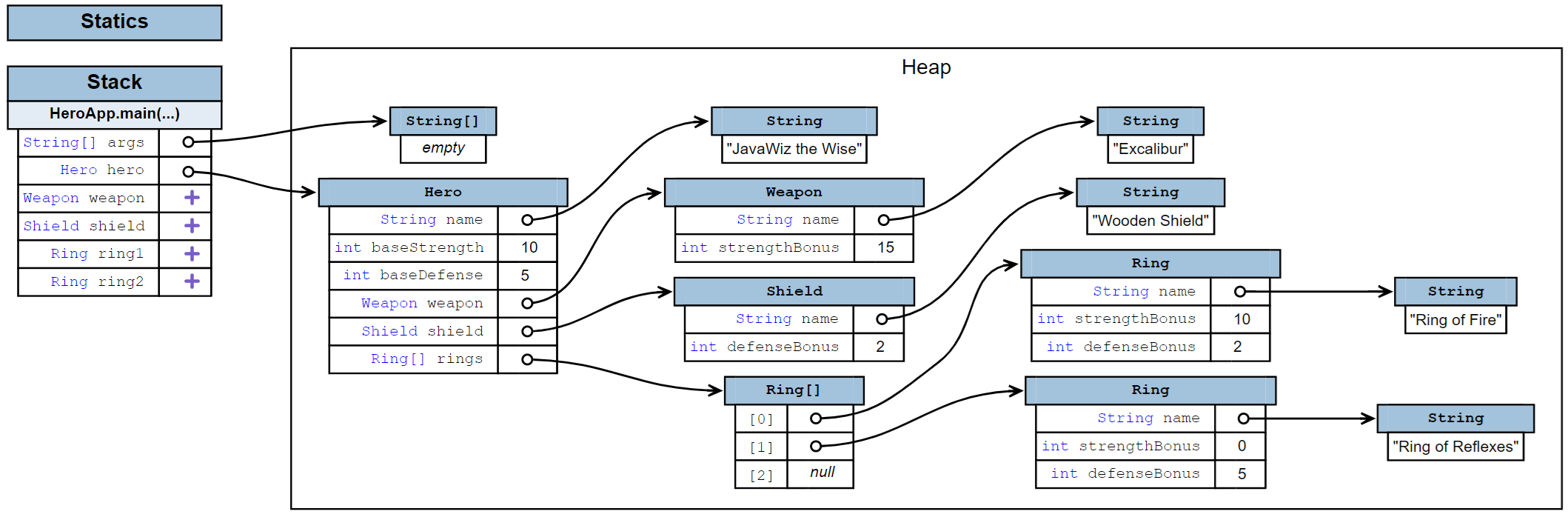
Visualizes the program's memory state including stack, static variables, and heap. Perfect for understanding reference semantics and object relationships in memory.
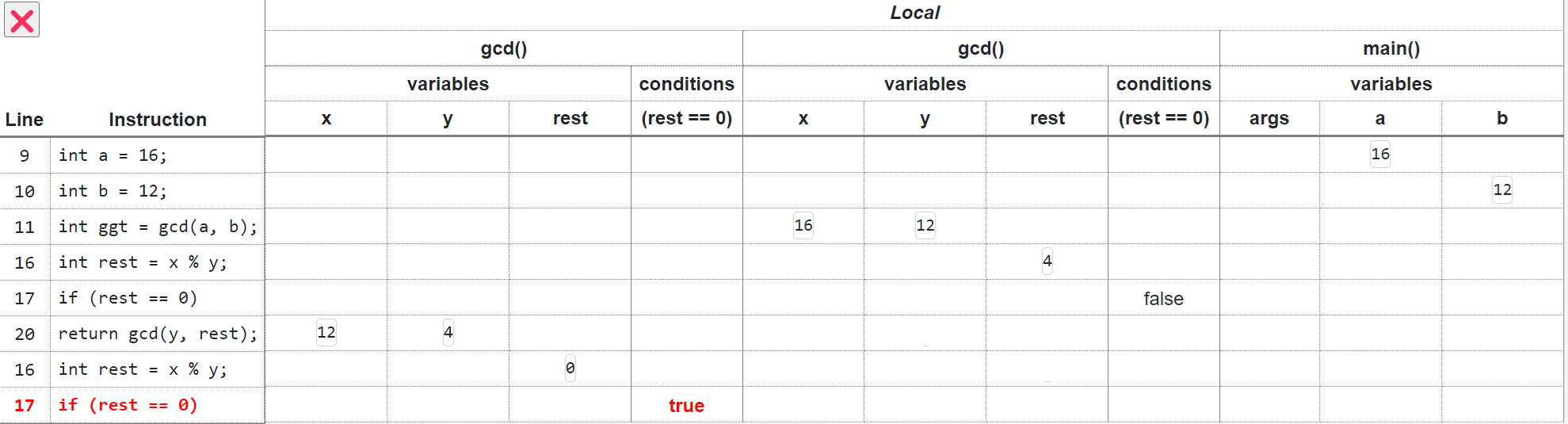
Displays program execution history in a table format, focusing on primitive value manipulations. Shows executed statements, stack variable values, and conditions of control structures.
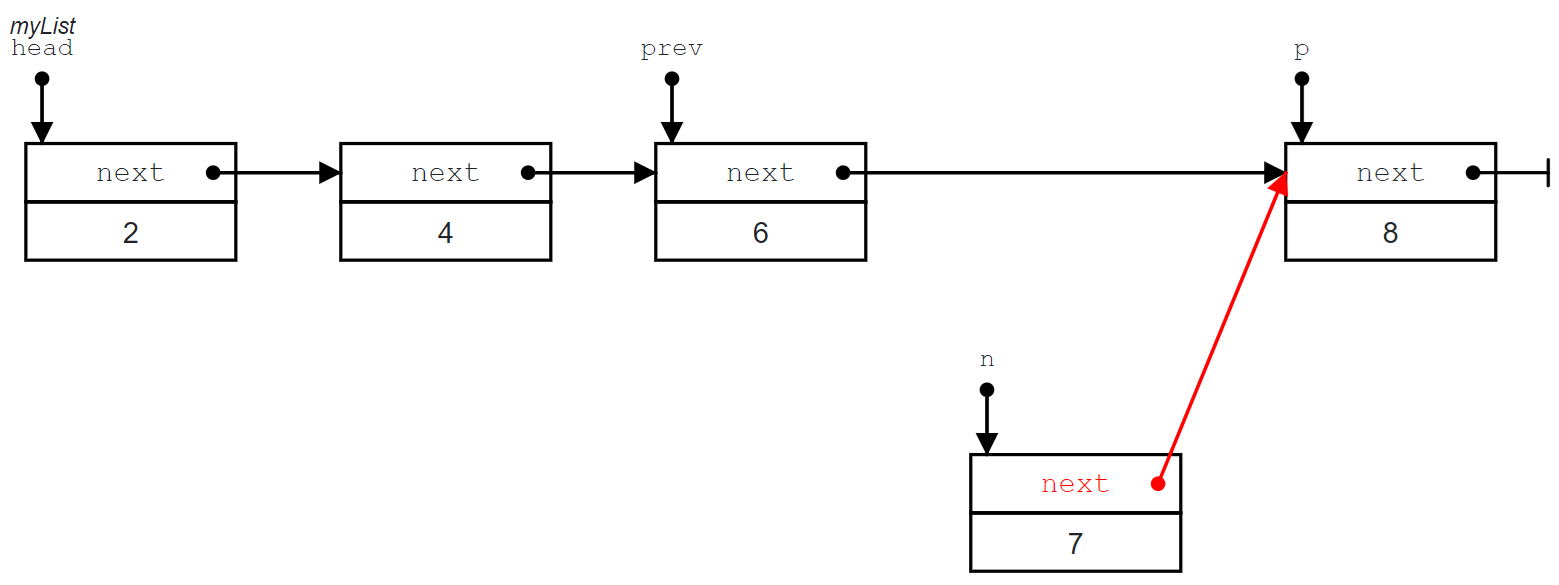
Specialized views for list and tree data structures with smooth animations for operations such as insertions and deletions. Shows local node variables alongside referenced nodes, making traversal algorithms easier to understand.
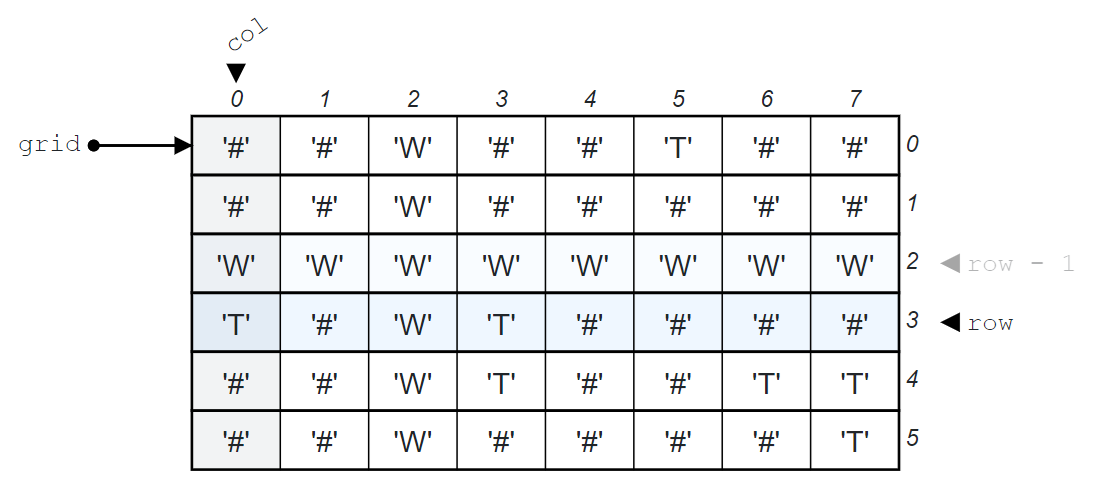
Visualizes arrays as interactive tables with animated index expressions and assignments. Perfect for understanding array operations and data flow between array elements and variables.
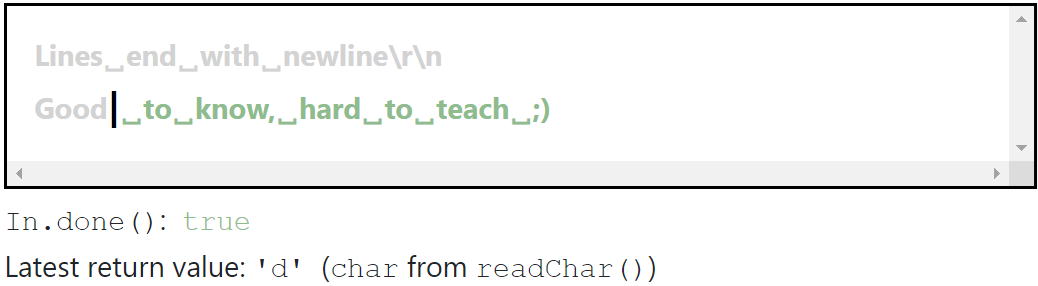
Visualizes the input buffer's state using a special In.java class, showing consumed and unconsumed parts. Displays the latest operation's return value and success status, helping beginners understand input operations.
The consolidation of "LGBT" (and later LGBTQ+) as a cohesive political alliance gained momentum in the late 20th century. Activists recognized that while sexual orientation (who you are attracted to) and gender identity (who you are) are fundamentally different, both groups faced the same systemic enemy: rigid, heteronormative societal expectations. Including the "T" unified the communities under a broader banner of gender and sexual diversity. Cultural Contributions and the Language of Pride
If the main image is good but a specific part (like a face or hand) is distorted, you don't need to regenerate the whole image.
The modern landscape of LGBTQ+ activism, language, and celebration did not develop in a vacuum. It was forged through decades of resistance, community building, and creative expression. At the absolute center of this evolution sits the transgender community. While the "T" in LGBTQ+ represents a distinct identity related to gender rather than sexual orientation, the histories, struggles, and triumphs of trans individuals are completely inseparable from broader queer culture. Understanding this connection reveals how the trans community acts as both a foundation and a modern catalyst for the entire LGBTQ+ movement. The Historical Blueprint: Riots and Resilience xxx gals shemale fixed
The terms "transgender community" and "LGBTQ culture" are often used interchangeably, but they represent distinct, overlapping concepts. The transgender community is a specific group of people whose gender identity differs from the sex they were assigned at birth. LGBTQ culture is a broader, more diverse umbrella encompassing lesbian, gay, bisexual, transgender, and queer people, along with their shared history, art, activism, and social norms.
: Being transgender is about gender identity, not sexual orientation. Trans people may identify as straight, gay, lesbian, bisexual, or any other orientation. Cultural History The consolidation of "LGBT" (and later LGBTQ+) as
Transgender individuals have been the primary architects of much of the language and aesthetics used in LGBTQ+ culture today.
Initiated early direct-action protests (Compton's, Stonewall); pioneered mutual aid networks (STAR). Cultural Contributions and the Language of Pride If
If you're looking for general information on a topic related to transgender individuals, gender identity, or support resources, I'm here to help with more specific and respectful inquiries.
There are many ways to get involved and make a positive impact: